Let VAHEAT do the rest.
Extended temperature range up to 200 °C
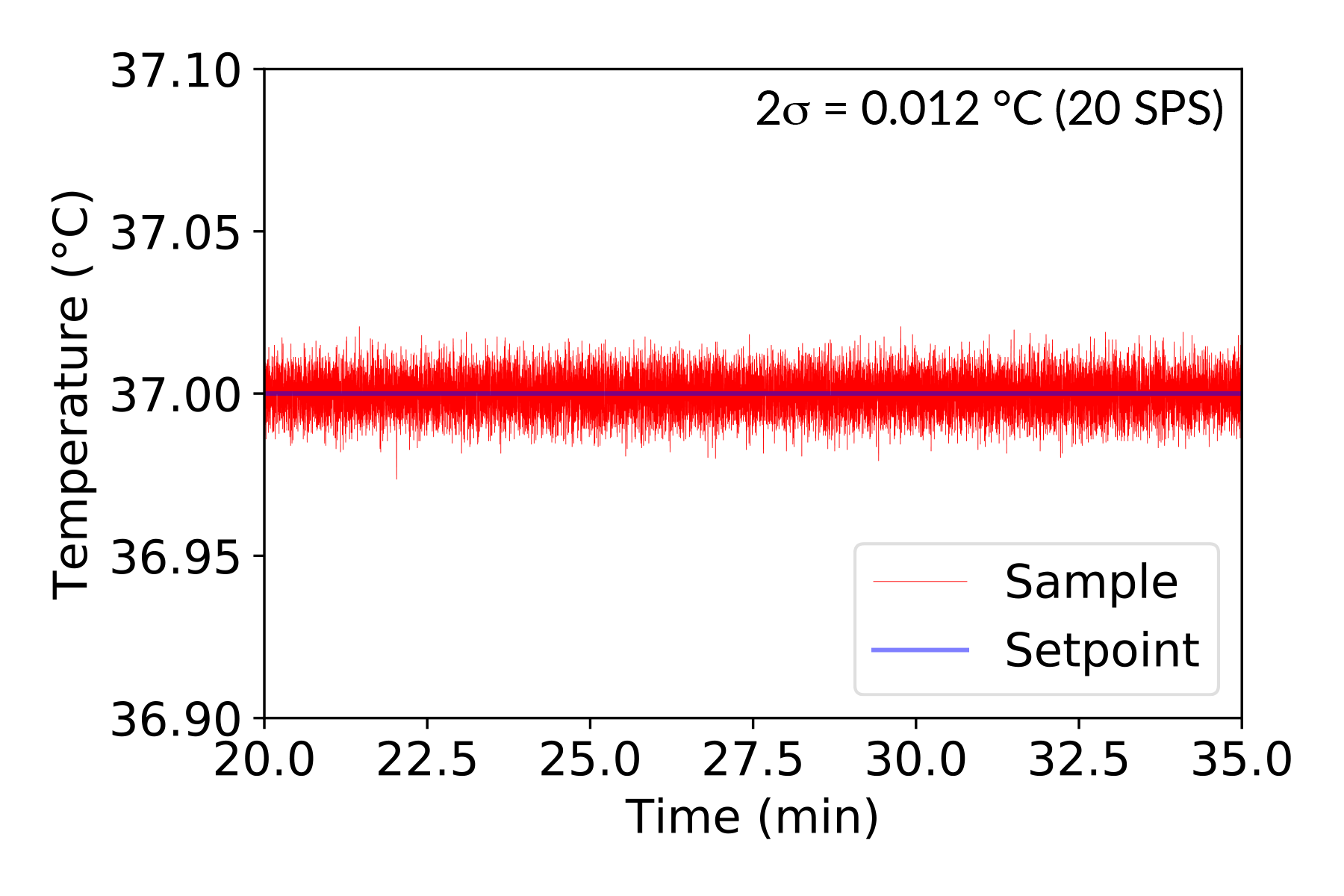
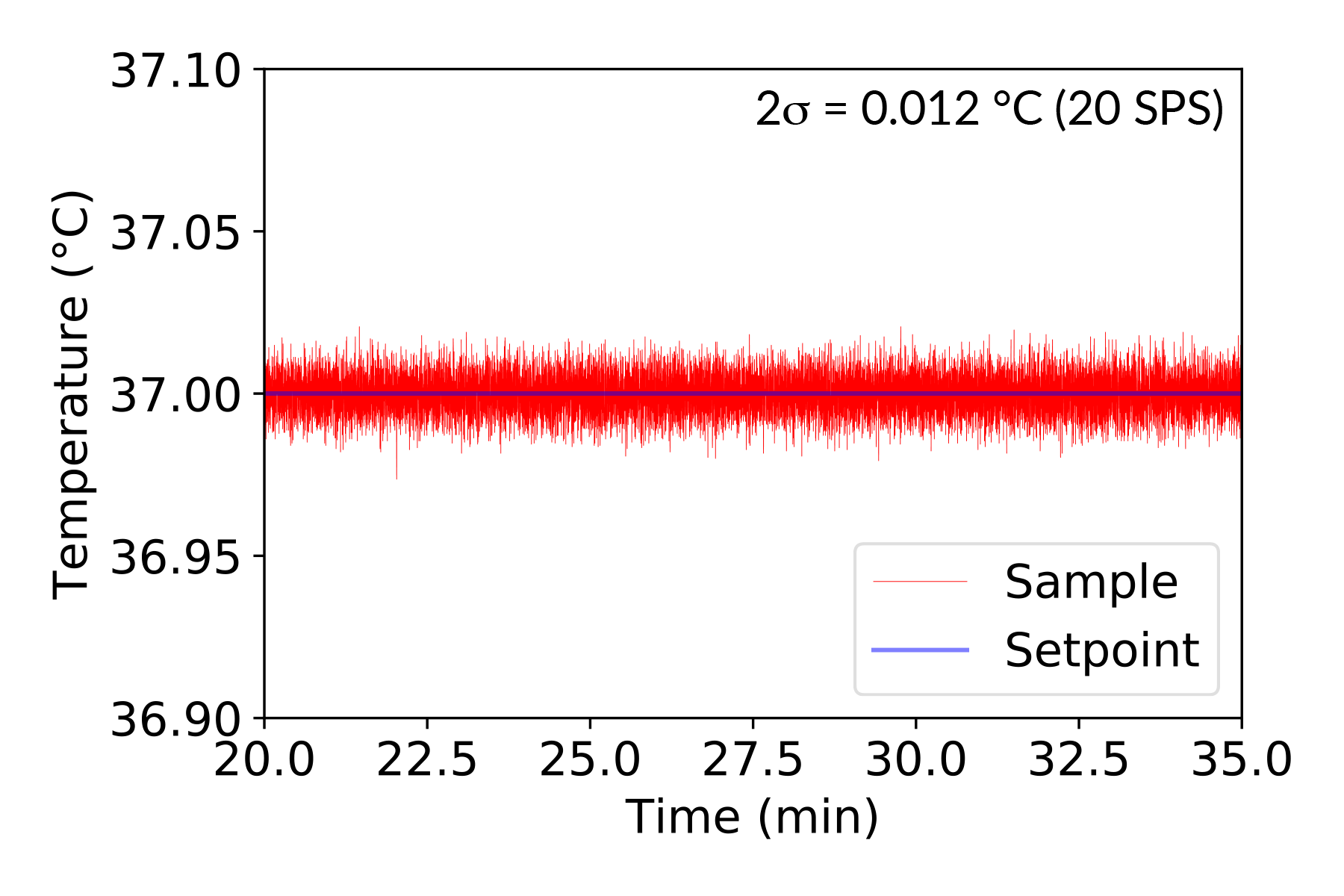
Temperature stability of 0.01 °C (rms)Superb image quality



Key Features
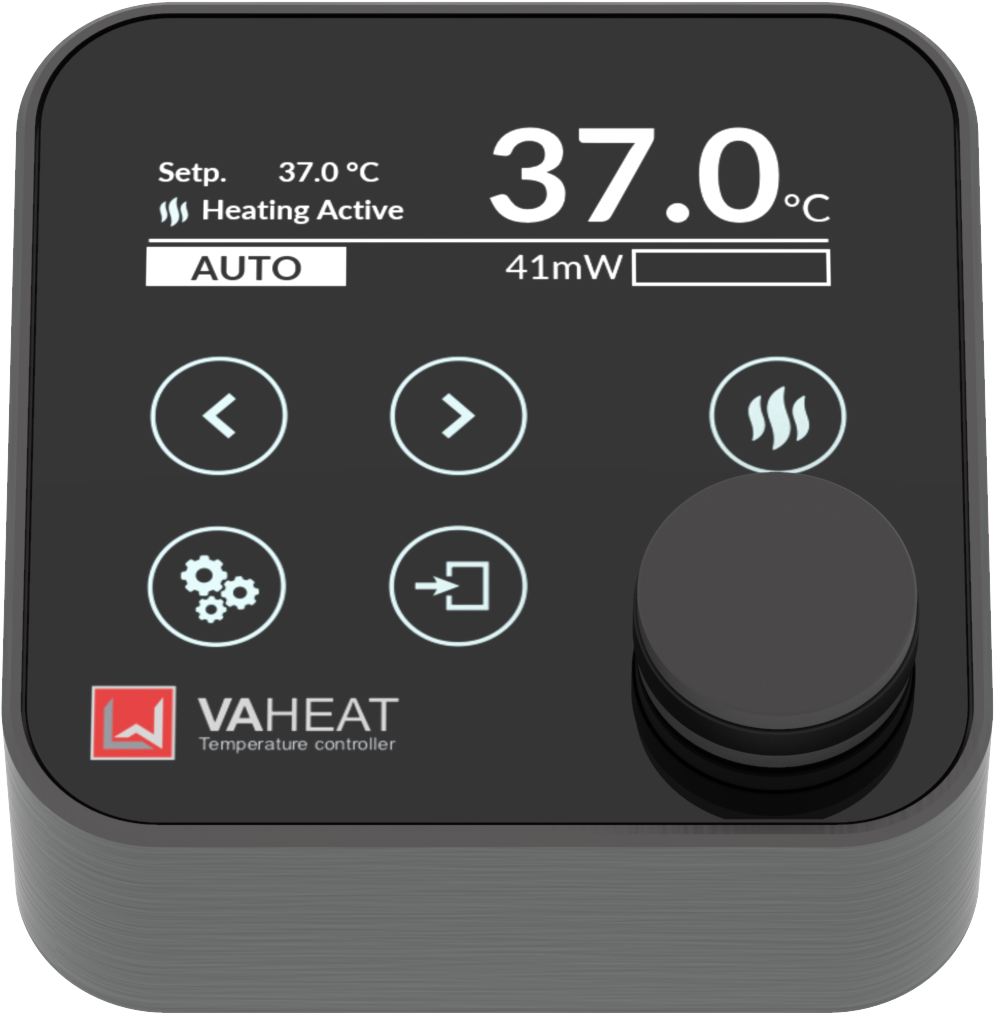
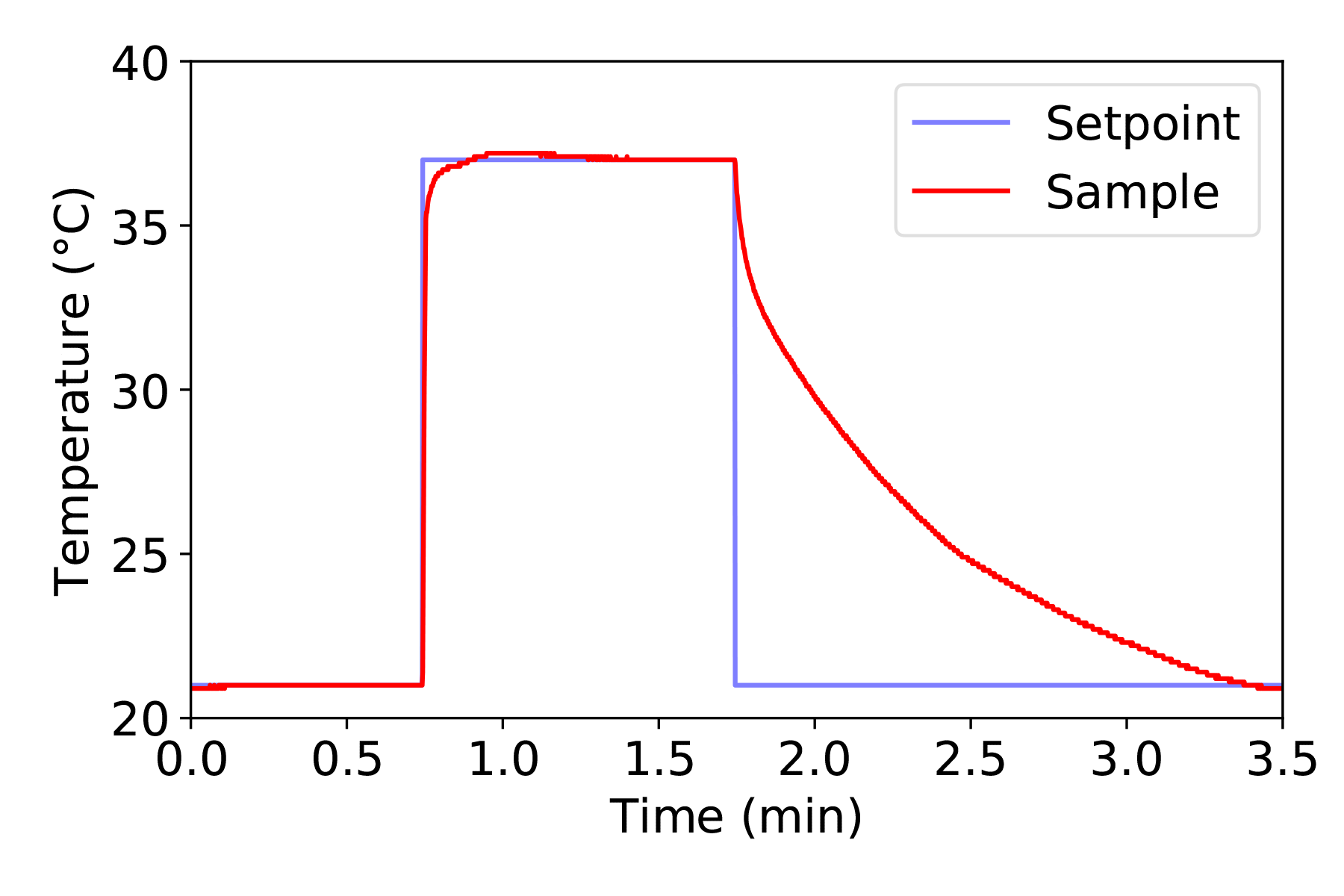
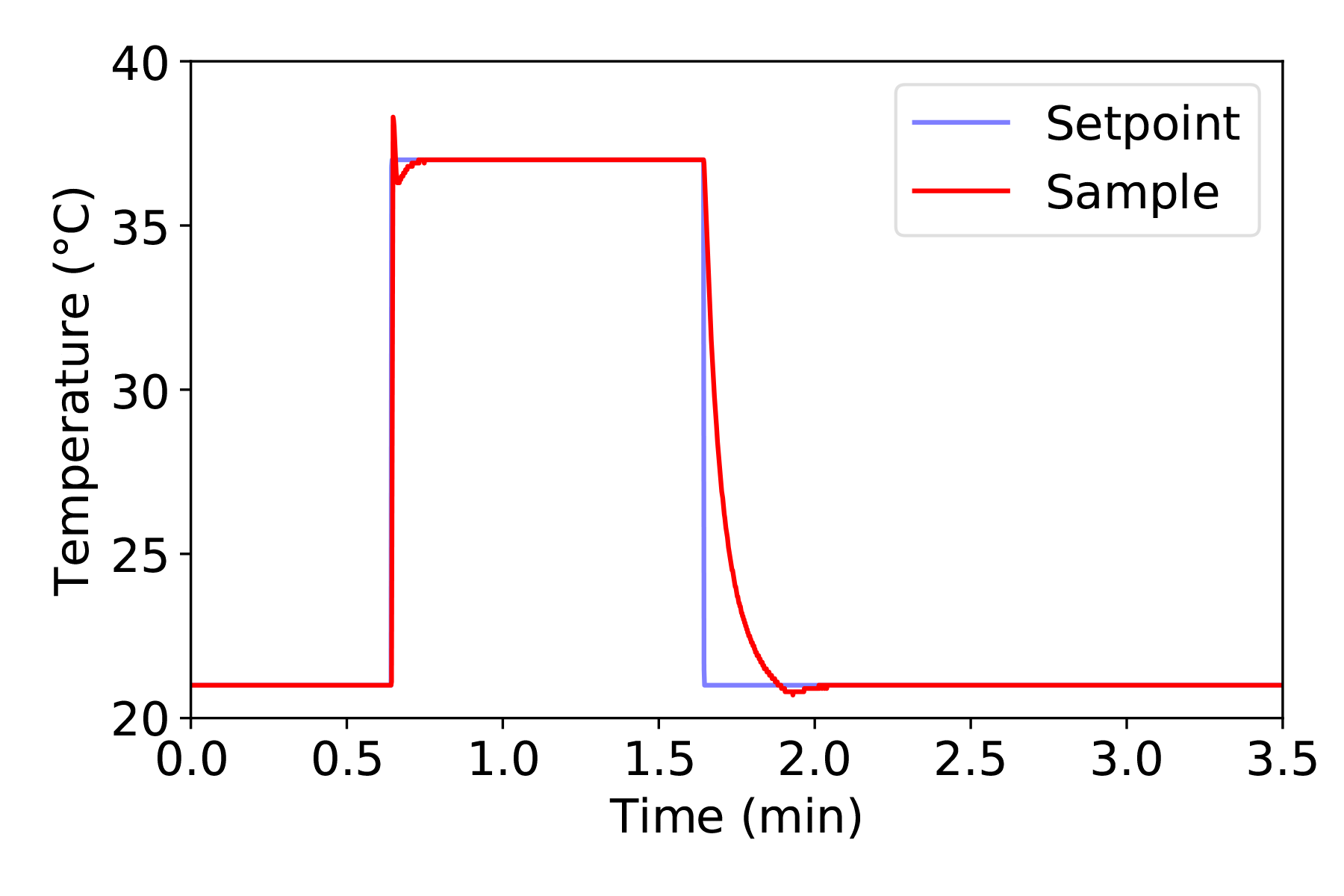
VAHEAT is a precise temperature control unit for optical microscopes. It combines local heating with direct temperature sensing in the sample volume. This allows for fast and precise temperature adjustment with heating rates up to 100°C/s while maintaining highest temperature precision. Made for investigations of temperature-sensitive processes in life sciences and material research.
FAST &
RELIABLE
VAHEAT lets you control the temperature inside the field of view independently from the type of microscope objective or the objective’s temperature. The system is designed as standalone unit without the need for any additional modifications to the optical setup (e.g objective heater) in order to avoid a temperature sink in your field of view. Additionally, the specific design of our smart substrates ensures that the objective’s performance is not altered even at higher temperatures.
EXTENDED TEMPERATURE
RANGE UP TO 200 °C
Extend your experimental temperature range to 100°C (standard range) or even up to 200°C (extended range) depending on your experimental needs. The standard range version is compatible with oil-immersion systems while the extended range version can be operated with air objectives.
HEATING
MODES
VAHEAT is equipped with four heating modes for different experiments depending on your needs. Modes for fast heating, auto-compensated heating, or well-defined temperature profiles are available.
SUPERB IMAGING
QUALITY
No optical aberration up to 80 °C with the highest numerical aperture objectives on the market. Perfectly suited for single molecule and super resolution studies using state-of- the-art methods (STORM, STED, TIRF, etc.). For more see Technical Performance.
MECHANICAL STABILITY &
DEVICE COMPATIBILITY
No thermal drifts or vibrations even at elevated temperature allow precise single molecule localization. We designed VAHEAT to be compatible with all commercial microscopes. No further modifications of your setup are needed. Its fast thermal response allows for nearly instantaneous thermalization tremendously reducing the waiting times as usual with conventional heating systems.
TEMPERATURE STABILITY
OF 0.01 °C (rms)
Extreme temperature stability on long (hours to days) and short (seconds to minutes) time scales down to 0.01°C (rms). External temperature variations due to air flow, fluid exchange etc. will be detected and compensated via direct temperature feedback inside the sample volume.
Control Unit

Extended Range
<5000 mW
Heating Power
200°C
Max. Temperature
SmS, SmS-R & SmS-E
Smart Substrates
High Resolution Studies
Applications
Standard Range
<2500 mW
Heating Power
105°C
Max. Temperature
SmS & SmS-R
Smart Substrates
High and Super Resolution Studies
Applications
-
Auto Mode -
The AUTO mode is the basic operating mode of VAHEAT. Here, the sample temperature is feedbacked for regulating the applied heating power. A proportional–integral–derivative (PID) control loop ensures to keep the sample at the desired temperature even when external disturbances are present. PID parameters are individually adjustable according to the specifics of your setup.
-
Direct Mode -
The DIRECT mode allows a direct control of the heating power. It is possible to exploit the fastest possible heating dynamics while the feedback loop is switched off. However, the sample temperature can be always measured and streamed to your computer. This mode can be combined with measurements that are especially sensitive to changes in the electrostatic potential as e.g. AFM measurements.
-
Shock Mode -
The SHOCK mode resembles a timed DIRECT mode. For a defined period, a certain heating power will be applied to the sample volume without any feedback loop being active. This allows to exploit the fast heating dynamics of VAHEAT to send heat shocks into your sample.
-
Profile Mode -
The PROFILE mode is a sophisticated version of the feedback mode. It allows you to set well-defined heating rates, cooling rates and holding times. This mode is ideal for complex temperature protocols that need to employed to your sample volume to drive e.g. a chemical reaction or a phase transition.
Smart Substrates

SMS
Dimension: 18x18x0.17 (± 0.05) mm³
Temp. Range: RT - 105°C
The standard range smart substrates are optimized for high-resolution studies similar to #1.5 coverslips. They have a size of 18 x 18 mm² and a thickness of 170 µm. We specify their full functionality up to 100 °C with heating powers up to 2.5 W. The flat substrates are ideally suited to integrate a reservoir, study thin films or use an own design of a microfluidic chamber.
SMS-E
Dimension: 18x18x0.17 (± 0.05) mm³
Temp. Range: RT - 105°C
The extended range smart substrates are made for temperatures up to 200 °C. They are 500 µm thick, similar to #5 coverslips and are compatible with the extended range control unit.
Microscope Adapter
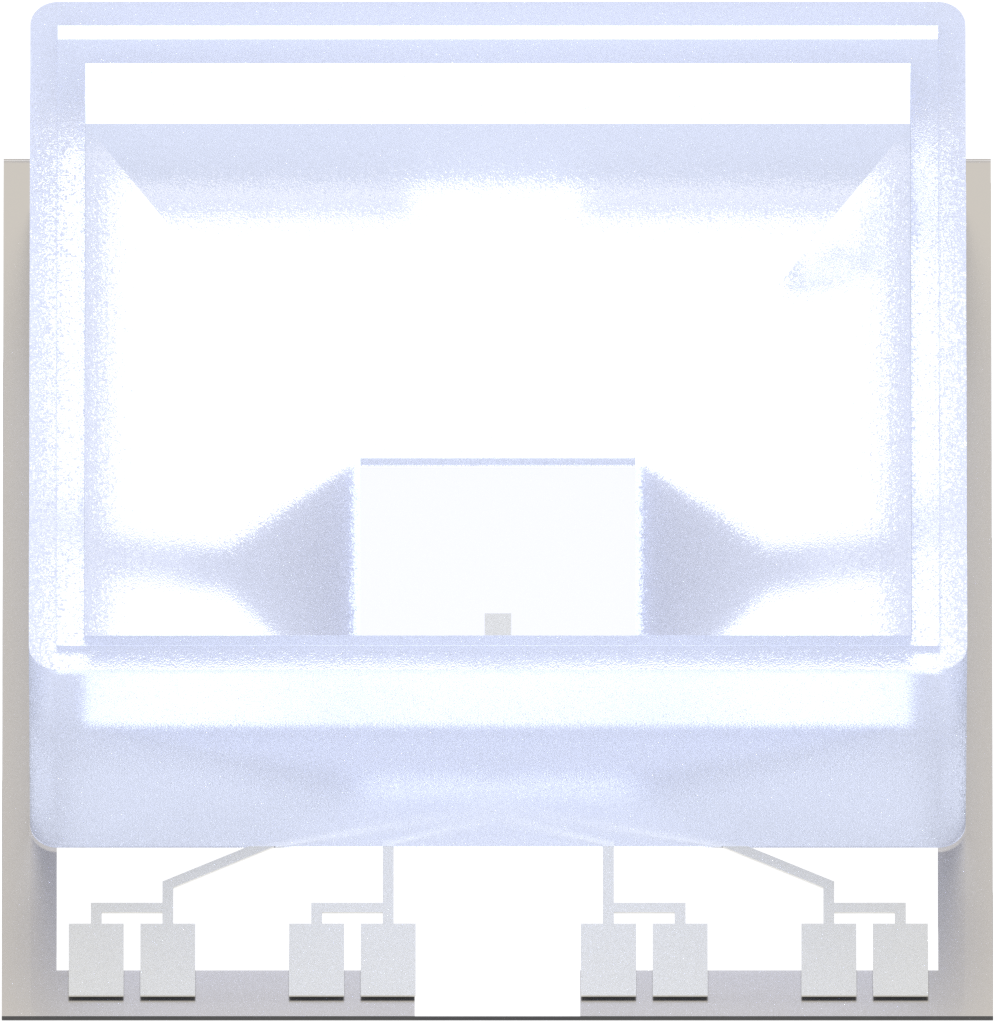
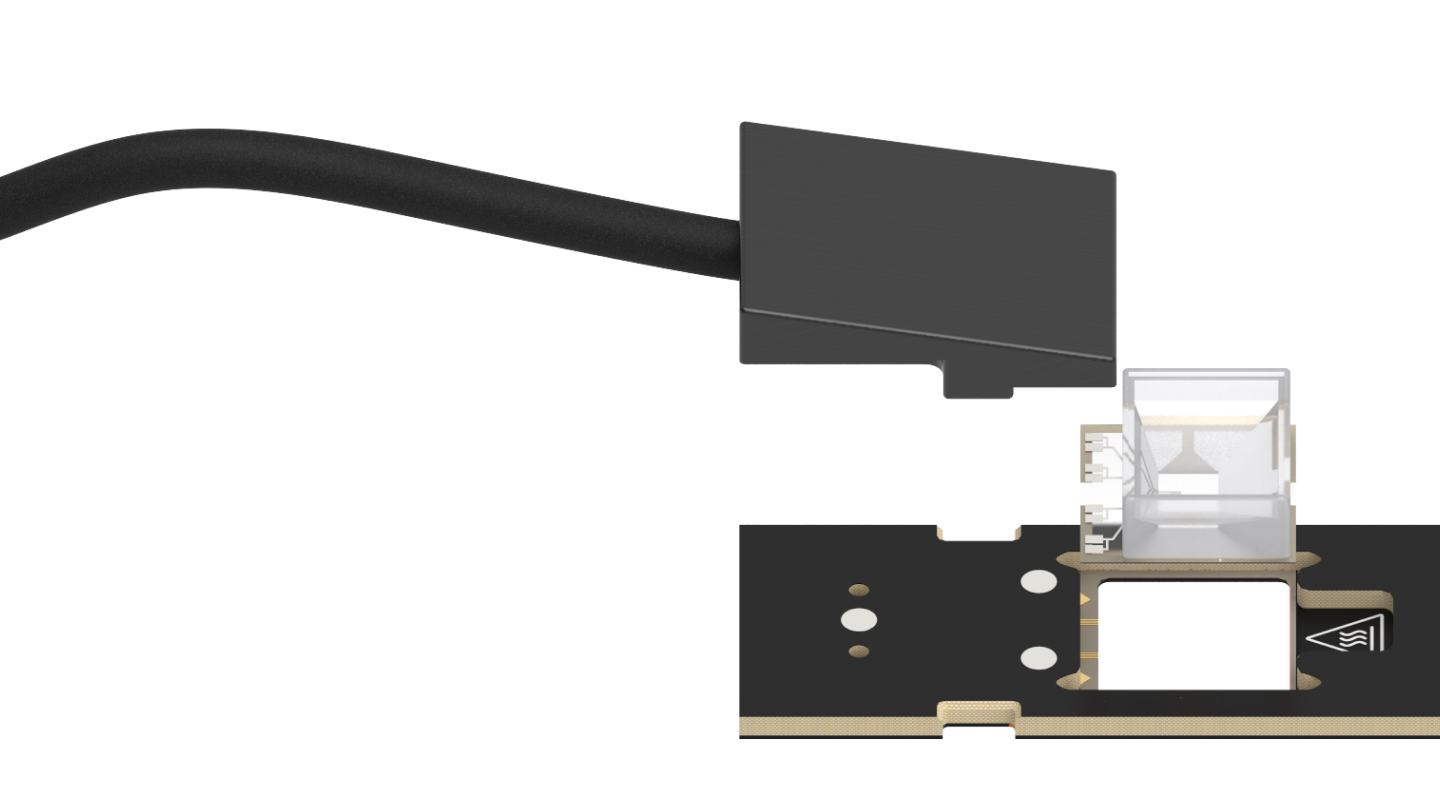
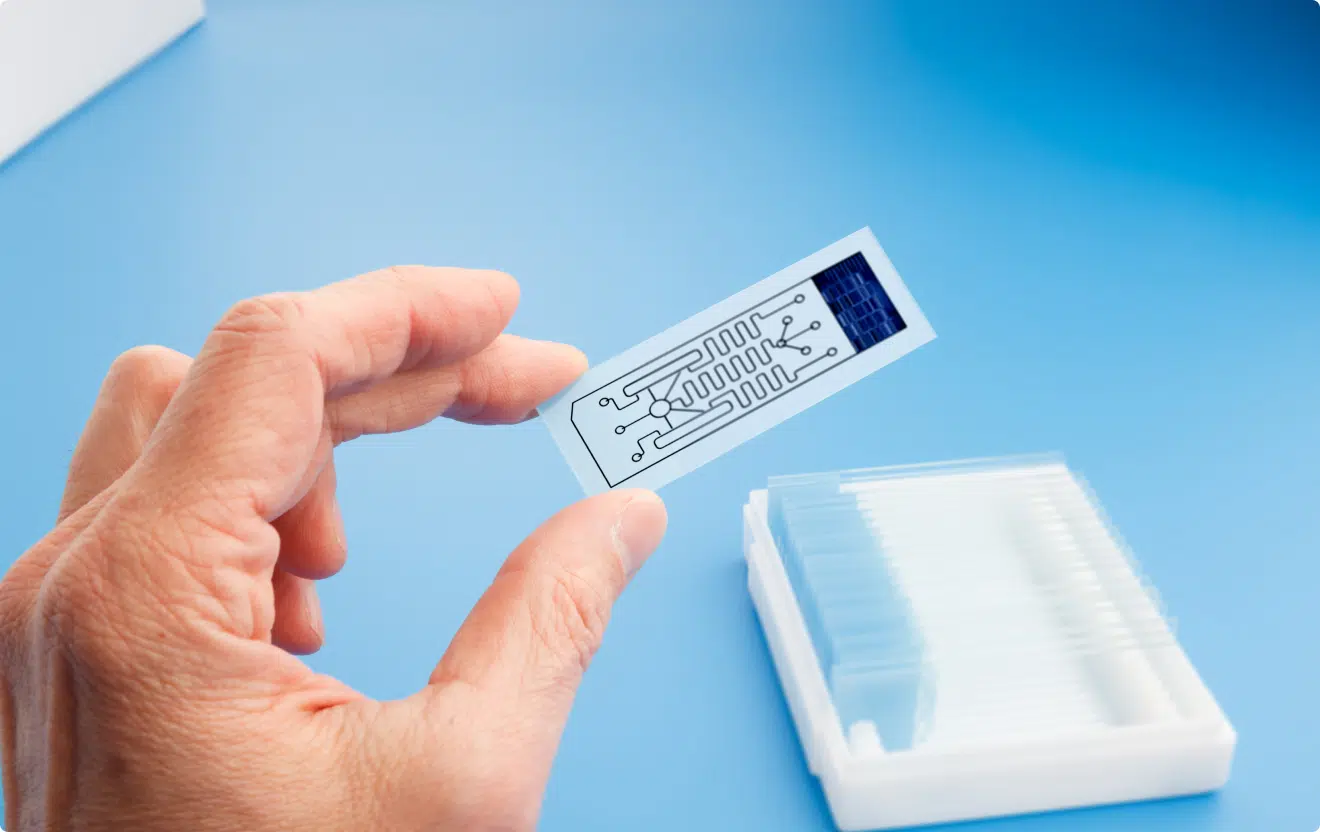
The heart of the VAHEAT system are the smart substrates that integrate a transparent thin film heating element with a highly sensitive temperature probe. The smart substrates with a heated area of 5 x 5 mm2 are inserted into the substrate holder that is connected to the control unit. As soon as the connector head establishes the connection between smart substrate and control unit, the temperature is being measured and you can start heating.
-The User Interface
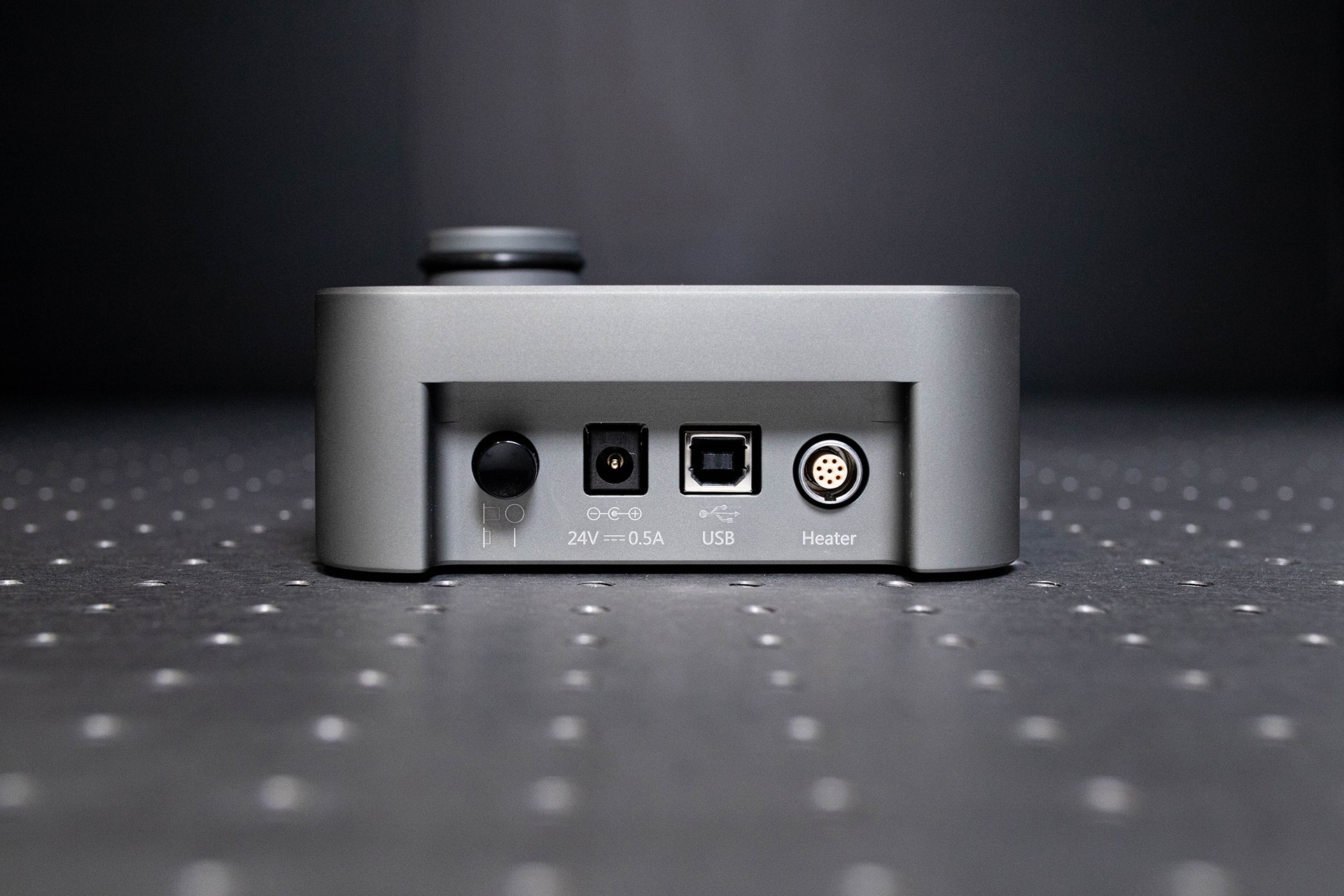
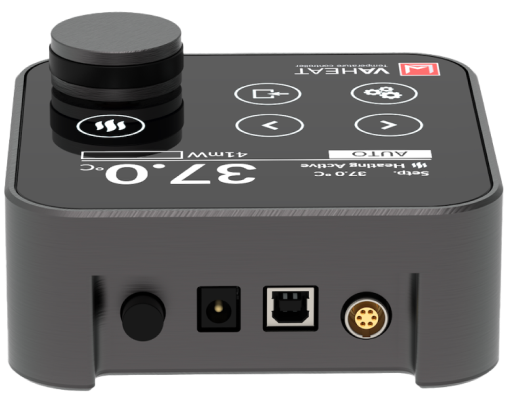
The platform independent user interface (UI) allows to remotely control the VAHEAT device, program arbitrary temperature profiles and stream temperature data to the local hard disk. You can use it for precise and live control of sample temperature and current heating power. Simply connect the control unit via USB to the computer and start the measurement remotely.This is what our Customers have to say
Dr. Senthil Arumugam
EMBL Australia/
Monash University
Dr. Alexandre Bisson
Brandeis University
Dr. Kerstin Göpfrich
MPI for Medical Research
Heidelberg
Dr. Senthil Arumugam
EMBL Australia/
Monash University
Dr. Alexandre Bisson
Brandeis University
Dr. Kerstin Göpfrich
MPI for Medical Research
Heidelberg
Technical Performance
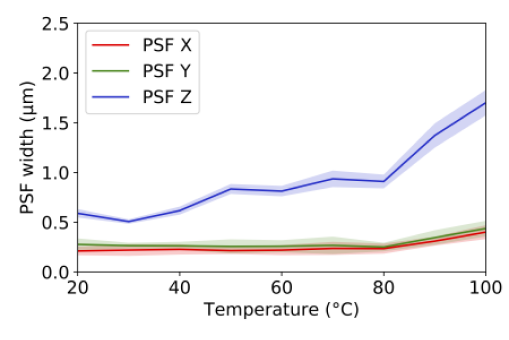
100x, NA=1.46, oil immersion objective
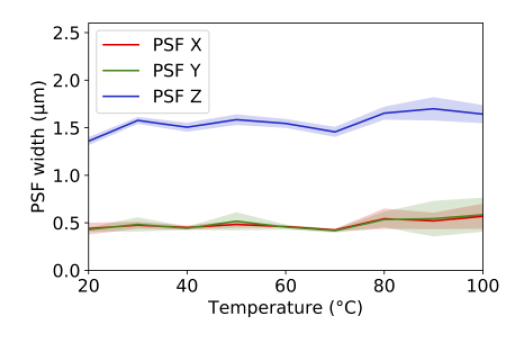
40x, NA=0.4, air objective
The imaging quality at elevated temperature up to 80°C is not altered using VAHEAT even when working with the highest numerical aperture objectives commercially available. To prove this, we experimentally determined the three-dimensional point spread function for various sample temperatures. The x-y resolution only increases slightly at temperature above 80°C due to increased particle diffusion. An elongation of the focus in z-direction arises with increasing temperature due to the temperature dependence of the immersion oil. This effect strongly depends on the material properties of the immersion medium and can be compensated by considering an effective change of optical path length. For air-spaced objectives the imaging quality is not affected.


The precise temperature probe within the smart substrates combined with a fast response time allows to compensate slow, as well as fast external temperature variation induced by e.g. an air flow or fluid exchange. This way, a precise long term temperature stabilization down to 0.01 °C (rms) over hours to days becomes feasible. Local management of the temperature is also crucial to achieve a high mechanical stability and to avoid any drifts.


The local heating and feedback mechanism enable well-controlled, fast temperature changes inside the field of view. Heating rates up to 100 °C/s are viable with small heat loads (e.g. thin films) attached. For liquids, heating rates can reach 40 °C/s. The profile mode allows to set heating and cooling rates between 100 °C/s and 0.1 °C/h.
Compatible Imaging Techniques
Total internal reflection microscopy (TIRM)
Atomic force microscopy (AFM)
Confocal microscopy
Super resolution methods (SIM, STORM, PALM, PAINT, STED)
Interferometric scattering microscopy (iSCAT)
Total internal reflection microscopy (TIRM)
Application Examples
Living organisms are highly sensitive to changes in their environmental conditions, especially to temperature. VAHEAT ensures reliable and precise temperature control while transfer and during imaging. Investigating temperature sensitive processes of cellular behavior, such as Ca2+ activity in multicellular tumor spheroids or thermal stimulation of neurons has never been this easy.
Exploit VAHEAT ‘s capabilities as micro stage top incubator.
CATEGORIES:Cell Biology | Neuroscience | Medicine | Stage Top Incubator
The melting point of double stranded DNA can range between 60°C and 90°C depending on the sequence and strand length. Observation of DNA dynamics close or even above to the melting point using a high-resolution microscope were so far not possible with conventional heating stages. VAHEAT offers the unique possibility to study DNA and its association and dissociation behavior optically.
CATEGORIES:Physics | Molecular Motors | Sequencing

VAHEAT is intrinsically compatible with microfluidics. A microfluidic chamber such as a PDMS mold can be directly mounted on the smart substrates with the integrated temperature probe. This way, the temperature of the injected liquid can be directly measured and adjusted. Due to the fast thermal response of the system in-situ mixing of different, not temperature controlled liquids becomes possible without expensive and bulky equipment.
CATEGORIES:Nanotechnology | Biochemistry | Biotechnology

Diffusion of single nanoparticles in complex environments such as lipid membranes is highly sensitive to temperature. Reliable temperature control and precise readout is a key element for quantitative studies. The temperature probe integrated into the smart substrates not only ensures reliable measurements conditions but is even capable of sensing phase transition in thin layers.
CATEGORIES:Crystallization and Nucleation | Phase Transition | Melting Point Analysis

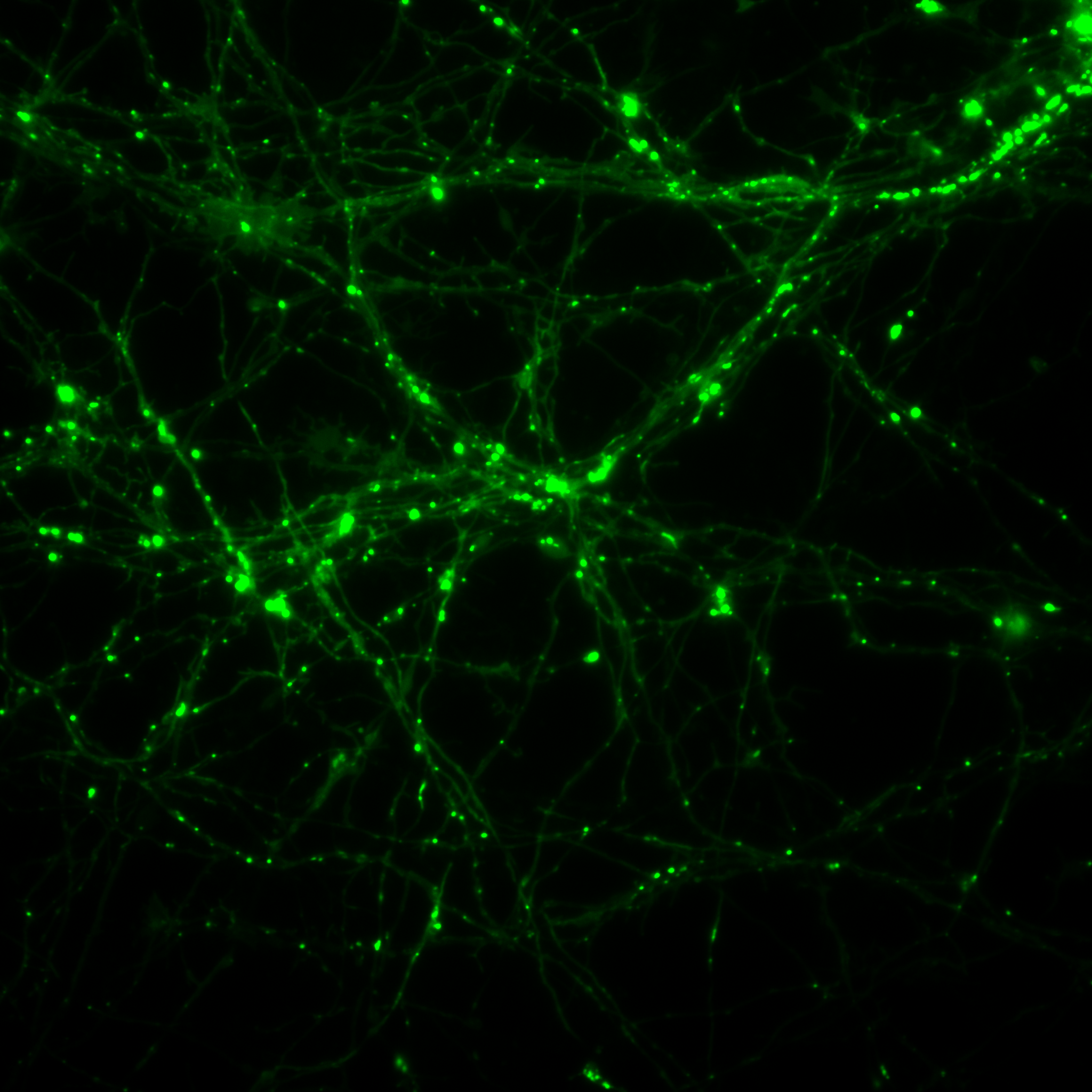
Cellular function as well as inter-cellular communication depend on temperature. Especially neuroscientific experiments critically rely on precise and accurate control of the environmental conditions, examples include studies on the synaptic function, its plasticity or the propagation of action potentials. Here, VAHEAT provides an excellent solution to perform fluorescence based or even patch-clamp experiments at user defined temperatures without the need of bulky incubation chambers.
CATEGORIES:Live Cell Imaging | Medicine | Neuroscience

Atomic force microscopy (AFM) is not only highly sensitive to small thermal drifts or vibrations but also to slight changes in the electric potential close to the cantilever. VAHEAT complies with these high requirements for temperature control. The local heating mechanism avoids any thermal drifts or fluctuations while the all-analogue electronic circuit design reduces electronic noise to a minimum. The mode DIRECT was implemented to further reduce the electronic noise in the sample volume and to allow high-precision AFM measurements.
CATEGORIES:Material Science | Live-Cell Imaging | Surface Topology

FAQ
- General questions
-
- How many parts does the VAHEAT system consist of?
-
The VAHEAT system consists of five parts: The control unit, the microscope adapter, the probe head, the smart substrates, and the remote software.
- What are the smart substrates?
-
Our smart substrates will replace your conventionally used cover slips. The smart substrates are special coverslips equipped with a heating element and a highly sensitive temperature probe. As they incorporate a sensor, we call them smart substrate.
- Why is VAHEAT different to other heating stages?
-
VAHEAT controls the temperature of your sample volume (a few hundred microliter) locally with a highly sensitive feedback. This minimizes the overall heat load injected into your optical setup and simultaneously allows you to track and control the temperature in your FOV without worrying about temperature gradients or thermal drift. Our system is specifically designed for high- and super-resolution applications.
- How can the smart substrates be inserted or exchanged?
-
The microscope adapter has two detachable parts: The 75 x 25 mm sized plate and the magnetically attached connector with the cable connecting both parts with the control box. The smart substrates can be inserted or changed after detaching the connector from the plate.
- Who is using VAHEAT?
-
Our customers include imaging facilities, independent research groups and industrial research departments studying live cells, biophysical systems, thin films, drugs and polymers. Have a look at our references to see what people think of VAHEAT. Also check out our application examples to get a better idea.
- Is it difficult to setup or operate VAHEAT?
-
No! We specifically designed our system to be highly compact, versatile and simple to use. Do not worry about the temperature. Concentrate on you experiment!
- What are the dimensions of the smart substrates?
-
The smart substrates are 18 x 18 mm2 and either 170 μm (standard range) or 500 μm (extended range) thick. The standard range smart substrates are optimized for high-resolution studies as #1.5 coverslips.
- Temperature Control
-
- What is the operating temperature range?
-
The VAHEAT system is available in two versions: The standard range version covering temperatures between room temperature and 100 °C. The extended range option covering temperatures of up to 300 °C.
- What are the smart substrates?
-
Our smart substrates will replace your conventionally used cover slips. The smart substrates are special coverslips equipped with a heating element and a highly sensitive temperature probe. As they incorporate a sensor, we call them smart substrate.
- Why is VAHEAT different to other heating stages?
-
VAHEAT controls the temperature of your sample volume (a few hundred microliter) locally with a highly sensitive feedback. This minimizes the overall heat load injected into your optical setup and simultaneously allows you to track and control the temperature in your FOV without worrying about temperature gradients or thermal drift. Our system is specifically designed for high- and super-resolution applications.
- How can the smart substrates be inserted or exchanged?
-
The microscope adapter has two detachable parts: The 75 x 25 mm sized plate and the magnetically attached connector with the cable connecting both parts with the control box. The smart substrates can be inserted or changed after detaching the connector from the plate.
- Who is using VAHEAT?
-
Our customers include imaging facilities, independent research groups and industrial research departments studying live cells, biophysical systems, thin films, drugs and polymers. Have a look at our references to see what people think of VAHEAT. Also check out our application examples to get a better idea.
- Is it difficult to setup or operate VAHEAT?
-
No! We specifically designed our system to be highly compact, versatile and simple to use. Do not worry about the temperature. Concentrate on you experiment!
- What are the dimensions of the smart substrates?
-
The smart substrates are 18 x 18 mm2 and either 170 μm (standard range) or 500 μm (extended range) thick. The standard range smart substrates are optimized for high-resolution studies as #1.5 coverslips.
- Compatibility
-
- Is VAHEAT compatible with existing commercial microscopes?
-
Yes! The microscope adapter of the VAHEAT system was designed to fit into any standard microscope slide holder as present in most microscopes independent of the manufacturer.
- Is VAHEAT compatible with inverted microscopes?
-
Yes! The smart substrates have dimensions of conventional coverslips with a thickness of 170 µm (#1.5 H) optimized for high resolution studies. The heating element integrated in the smart substrate is transparent with a transmission of more than 90 % in the visible spectrum. The substrate holder allows to come as close as necessary with high-NA immersion objectives.
- Is VAHEAT compatible with upright microscopes?
-
Yes! The substrates have a size of 18x18 mm2 and a region of 16x18 mm2 is accessible from above. The microscope adapter has a thickness of 2.5 mm. For large liquid dipping objectives custom solutions might be necessary. We are happy to assist!
- Optical performance
-
- Is VAHEAT compatible with confocal, total internal reflection (TIRF) or any other kind of super-resolution microscopy (SIM, PALM/STORM, PAINT, STED, …)?
-
Yes! We specifically designed VAHEAT for high- and super-resolution microscopy. The smart substrates have a thickness of 170 µm and are thus compatible with almost any commercially available high Numerical Aperture (NA) objective needed for super-resolution microscopy.
The conventional thermal problems that arise in super-resolution microscopy when working at elevated temperature are fully avoided when working with VAHEAT. We also measured the optical performance with a high NA objective as function of temperature. You can check out the data here (LINK TO optical performance).
You cannot believe this? Get a demo system and test it yourself! (LINK TO CONTACT FORM)
- For TIRF microscopy: How affects the VAHEAT the angle of the laser beam generating the evanescent field in the sample?
-
It simply doesn’t. VAHEAT does not change your angle of incidence since the heat load injected into your optical system is kept minimal. Put into simple words: you only heat your sample. This way the optical performance of your imaging system is only minimally affected by temperature changes. This is different in conventional stage incubators: These devices require the objective to be heated. This induces stress and tension on the optics worsening the optical performance.
- How is the optical performance affected when using VAHEAT with air objectives?
-
From internal measurements we can conclude that the sample heating has no effect on the image quality and therefore on the point spread function (PSF) for temperatures between room temperature and 100 °C

- What is the refractive index of the glass substrate?
-
The refractive index of the glass substrate is n=1.52 at 500 nm wavelength.
- What is the highest possible temperature when working with oil immersion objectives?
-
We tested VAHEAT in combination with high NA objective (NA>1.4) and immersion oil up to 100 °C. We do not recommend going above this temperature as your objective might get damaged and the immersion oil can start to decompose
- The smart substrates
-
- How many times can I use a single smart substrate?
-
The lifetime of the smart substrates depends on handling as they are fragile elements. Make sure to handle your substrate with care. This will prolong their lifetime. Typically, you can clean and reuse your substrates 2-4 times.
- How can I clean my smart substrates?
-
You can clean the smart substrates with organic solvents such as Ethanol, Isopropanol or Acetone. You can also use pH neutral detergents (e.g., Extran or Hellmanex). The smart substrates withstand ultrasonic cleaning as well as oxygen plasma treatment. Please avoid strong acids or bases. The substrates should not be in contact with the cleaning agent for more than 30 min.
- Can I also clean my smart substrates with reservoir?
-
Yes! They can be cleaned the same way as the planar smart substrates. In addition to that, you can use acids or bases to clean the reservoir volume (e.g., 5% HCl).
- Can I put the smart substrates into the autoclave?
-
No! Please avoid putting the smart substrates into your autoclave. Instead, you can use oxygen plasma treatment, gamma-ray sterilization or simply use ethanol or isopropanol to eliminate contaminations.
- Can I chemically functionalize the surface of the smart substrates with e.g., L-lysine?
-
Yes! The surface facing the sample volume is glass only. You can chemically functionalize this surface the way you are used to functionalize your cover slips.
- Can the reservoir be sealed to prevent evaporation?
-
Yes! The reservoir can be covered by a small glass slide available upon request.
- Are the substrates and reservoirs compatible with cells?
-
Yes! The upper surface of the substrate is simply glass. The reservoirs are made of silicone that is widely used in microfluidics and well known to be biocompatible.
- What is the sample volume size of the substrates with attached reservoir?
-
The reservoir covers approx. 600 µL.
- Applications
-
- What types of microscopy applications can benefit from VAHEAT?
-
VAHEAT is versatile and adapts to various high-sensitivity microscopy applications, including single molecule imaging, super resolution microscopy, live cell imaging, DNA and RNA dynamics studies, protein dynamics and denaturation experiments, and more. Its precise temperature control enhances the accuracy and reproducibility of diverse microscopy applications.

- Can VAHEAT be used for live cell imaging?
-
Absolutely! VAHEAT is designed for live cell imaging by maintaining optimal physiological temperatures. Researchers can study dynamic cellular processes over extended periods with confidence in the stability and control provided by VAHEAT.

- What advantages does VAHEAT offer in the study of thermophilic organisms?
-
VAHEAT provides a controlled environment at high temperatures for studying thermophilic organisms, ensuring optimal growth conditions. Researchers can explore the behaviour and characteristics of thermophilic bacteria with precise temperature control at elevated temperatures.
- How does VAHEAT contribute to high-resolution microscopy experiments?
-
VAHEAT ensures thermal homogeneity in the field of view, minimizing temperature-related artifacts in high-resolution imaging experiments, and providing precise temperature control.

- Can VAHEAT be integrated with microfluidic setups for experiments requiring fluidic manipulation?
-
Yes, VAHEAT is compatible with microfluidic setups, offering researchers the flexibility to integrate precise temperature control with fluidic manipulation. Researchers can adapt their microfluidics chamber on our smart substrate in the same manner as on any standard coverslips used in their microscopy experiments.

- Is VAHEAT suitable for studying temperature-sensitive alleles and meiosis?
-
Indeed, VAHEAT is well-suited for investigations involving temperature-sensitive alleles and mechanisms driving meiosis. It provides the necessary temperature control for accurate observations, contributing to a deeper understanding of these biological processes.
- Can VAHEAT be used for nanoparticle studies?
-
Absolutely! VAHEAT facilitates nanoparticle studies by providing controlled thermal environments. Researchers can explore the behaviour and interactions of nanoparticles at different temperatures, contributing to advancements in nanoscience research.
- How does VAHEAT contribute to single molecule imaging studies such as DNA-paint?
-
VAHEAT is ideal for single molecule imaging studies as it ensures precise temperature control. This stability is crucial for accurate observations in studies focusing on single molecules, contributing to the reliability of experimental outcomes.
- Is VAHEAT suitable for investigating the impact of temperature on lipid bilayers?
-
Yes, VAHEAT is well-suited for studying the temperature-dependent properties of lipid bilayers, including phase transitions, fluidity, and membrane structure, ensuring reliable and reproducible data.
- Can VAHEAT be used for imaging colloids?
-
Yes, VAHEAT provides dynamic and precise temperature control that is well suited for imaging dynamic behaviour of colloidal substance at different temperatures.
- Misc
-
- If I order a VAHEAT system today, how long do I have to wait?
-
The lead times are two to four weeks after receiving the purchase order.
- Can I get a demo system to evaluate the device performance in my own lab?
-
Yes! We offer a four-week test period. Reach out to us! (Link to contact form)
- How can the microscope adapter/substrate holder be cleaned and sterilized?
-
The microscope adapter can be cleaned the same way as the smart substrates.