Dynamic Temperature Control
VAHEAT
Just set the temperature and start your measurement.

Let VAHEAT do the rest.

  • termos-icon Extended temperature range up to 200 °C
  • stability-3 Temperature stability of 0.01 °C (rms)
  • superb-3 Superb image quality

SCHEDULE DEMO
hero-image.png
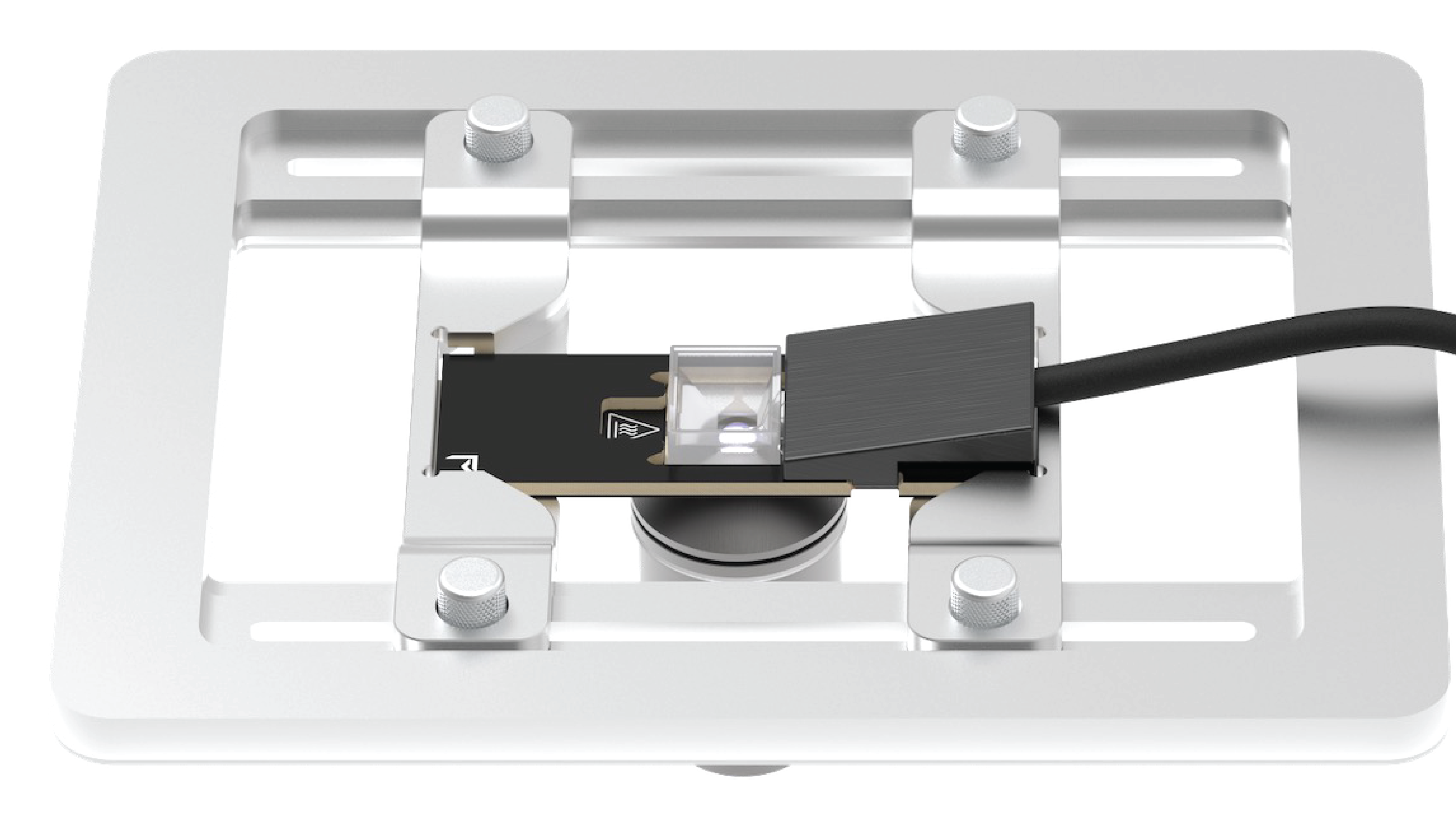
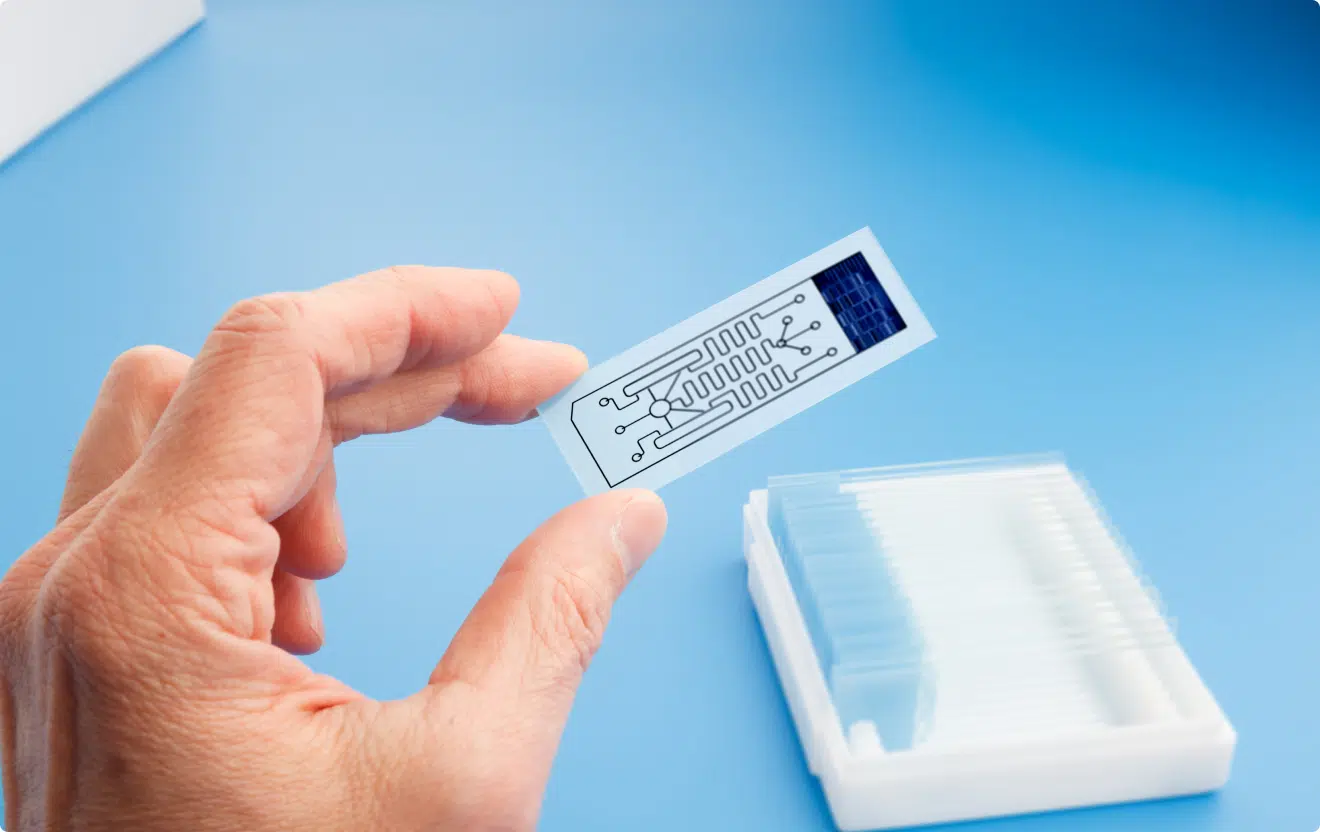
The heart of the VAHEAT system is the smart substrates that integrate a transparent thin film heating element with a highly sensitive temperature probe. The smart substrates are inserted into the microscope adapter that is connected to the control unit. As soon as the connector head establishes the connection between smart substrate, microscope adapter, and control unit, the temperature is measured and you can start heating with perfect precision.
VAHEAT is a precise temperature control unit for optical microscopes. It combines local heating with direct temperature sensing in the sample volume. This allows for fast and precise temperature adjustment with heating rates up to 100°C/s while maintaining highest temperature precision. Made for investigations of temperature-sensitive processes in life sciences and material research.

Key Features

VAHEAT is a precise temperature control unit for optical microscopes. It combines local heating with direct temperature sensing in the sample volume. This allows for fast and precise temperature adjustment with heating rates up to 100°C/s while maintaining highest temperature precision. Made for investigations of temperature-sensitive processes in life sciences and material research.

stability-1

FAST &
RELIABLE

FAST &RELIABLE

VAHEAT lets you control the temperature inside the field of view independently from the type of microscope objective or the objective’s temperature. The system is designed as standalone unit without the need for any additional modifications to the optical setup (e.g objective heater) in order to avoid a temperature sink in your field of view. Additionally, the specific design of our smart substrates ensures that the objective’s performance is not altered even at higher temperatures.

superb-2

EXTENDED TEMPERATURE
RANGE UP TO 200 °C

EXTENDED TEMPERATURE RANGE UP TO 200 °C

Extend your experimental temperature range to 100°C (standard range) or even up to 200°C (extended range) depending on your experimental needs. The standard range version is compatible with oil-immersion systems while the extended range version can be operated with air objectives.

stability-2.png

HEATING
MODES

HEATING MODES

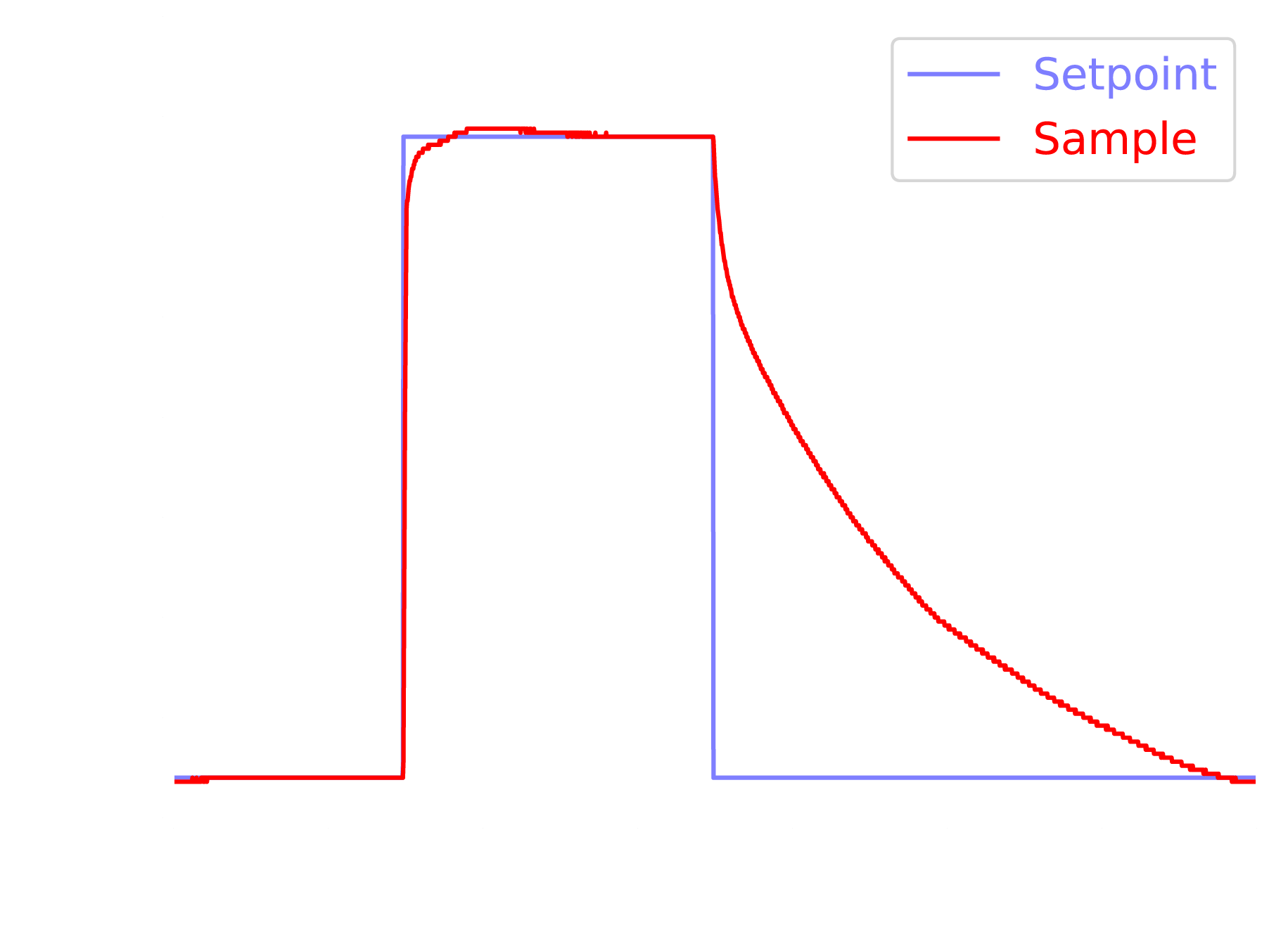
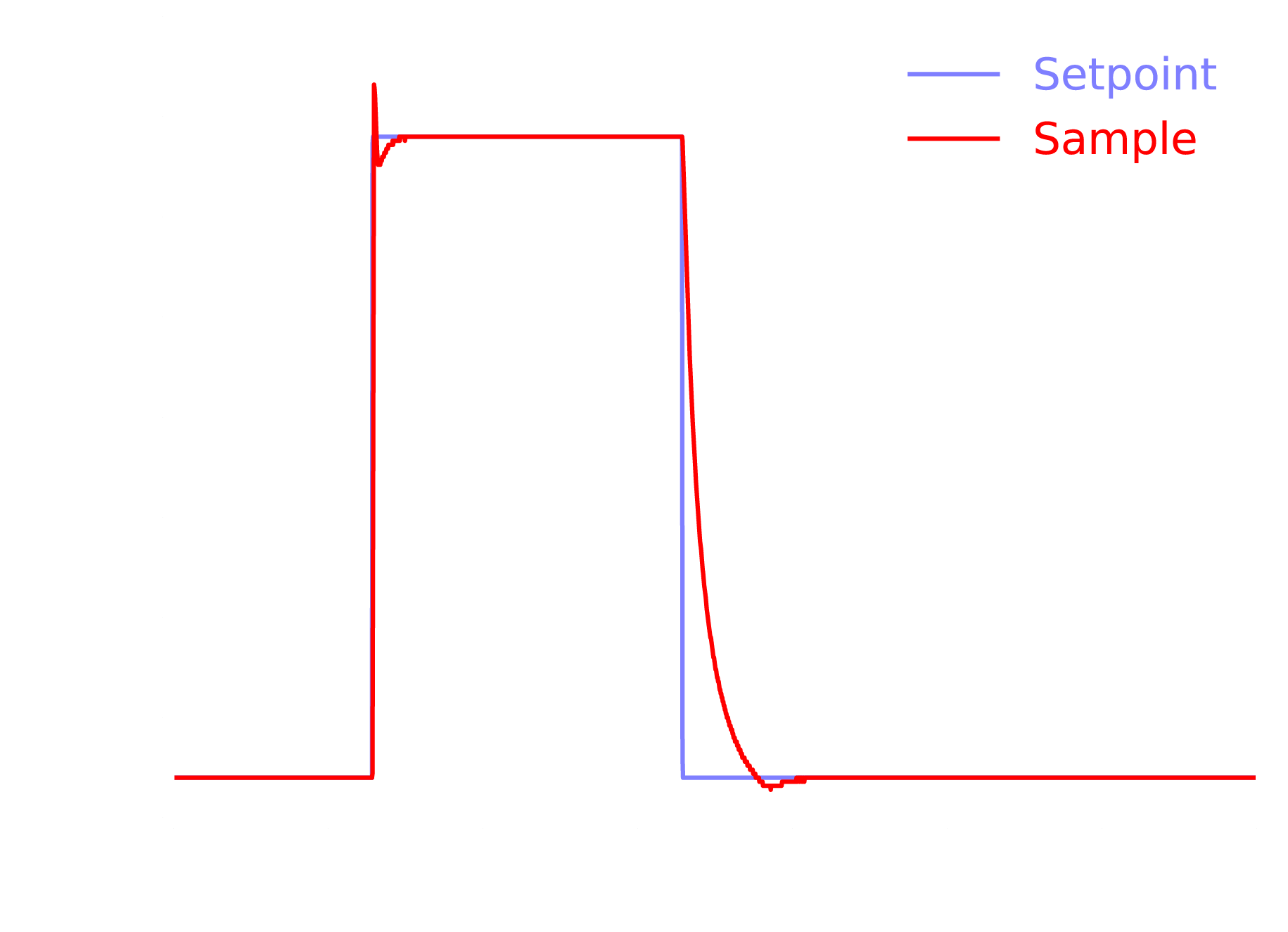
VAHEAT is equipped with four heating modes for different experiments depending on your needs. Modes for fast heating, auto-compensated heating, or well-defined temperature profiles are available.

superb-2

SUPERB IMAGING
QUALITY

SUPERB IMAGING QUALITY

No optical aberration up to 80 °C with the highest numerical aperture objectives on the market. Perfectly suited for single molecule and super resolution studies using state-of- the-art methods (STORM, STED, TIRF, etc.). For more see Technical Performance.

stability-2

MECHANICAL STABILITY &
DEVICE COMPATIBILITY

MECHANICAL STABILITY & DEVICE COMPATIBILITY

No thermal drifts or vibrations even at elevated temperature allow precise single molecule localization. We designed VAHEAT to be compatible with all commercial microscopes. No further modifications of your setup are needed. Its fast thermal response allows for nearly instantaneous thermalization tremendously reducing the waiting times as usual with conventional heating systems.

superb-2

TEMPERATURE STABILITY
OF 0.01 °C (rms)

TEMPERATURE STABILITY OF 0.01 °C (rms)

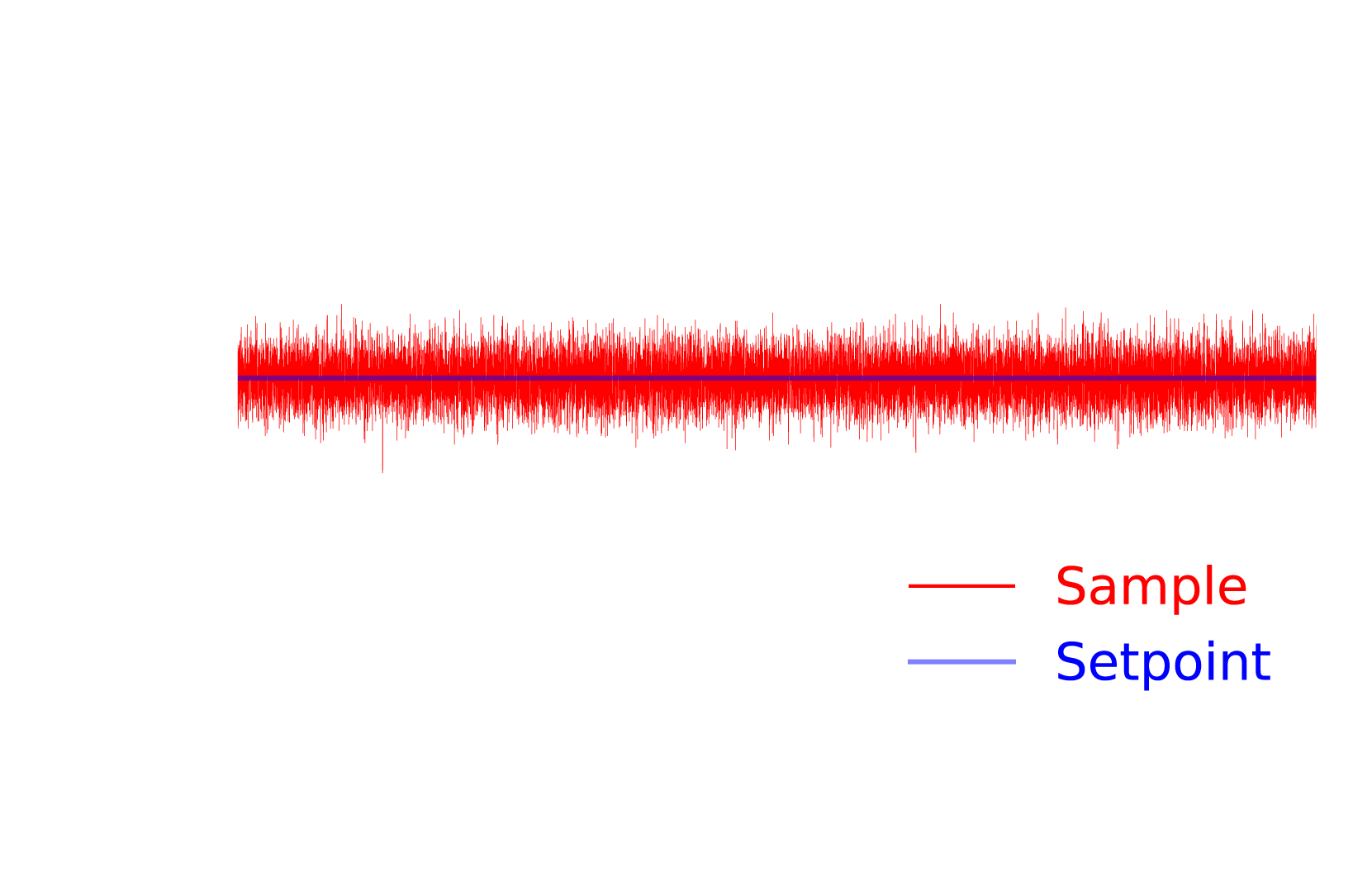
Extreme temperature stability on long (hours to days) and short (seconds to minutes) time scales down to 0.01°C (rms). External temperature variations due to air flow, fluid exchange etc. will be detected and compensated via direct temperature feedback inside the sample volume.

System Components

Smart Substrates

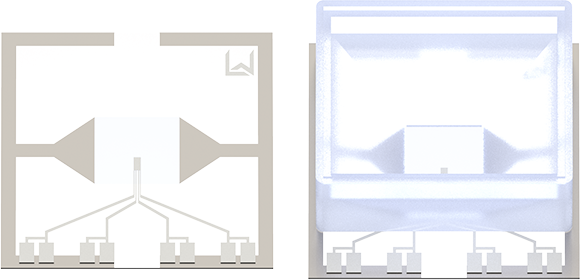
The smart substrates replace the conventional coverslips in your workflow. They integrate a heating element with a highly sensitive temperature sensor that allows for fast and precise temperature control inside the field of view without compromising on the imaging quality. The substrates are designed as multi-use disposable and come in various versions optimized for your experimental needs. The heated area ranges from 5 x 5 mm² to 10 x 13 mm². The surface facing your sample is glass only and can be chemically functionalized according to your standard protocols. You can find further information about the Smart Substrates and their chemical compatibility here. We offer two basic categories of Smart Substrates:
Standard Range

SMS-P

Dimension: 18x18x0.17 (± 0.05) mm³

Temp. range: RT - 105°C

The standard range smart substrates are optimized for high-resolution studies similar to #1.5 coverslips. They have a size of 18 x 18 mm² and a thickness of 170 µm. We specify their full functionality up to 100 °C with heating powers up to 2.5 W. Your sample can be mounted using reservoirs, flow chambers or even your microfluidic device.

Extended Range

SMS-E

Dimension: 18x18x0.5 mm³

Temp. range: RT - 200°C

The extended range smart substrates are made for temperatures up to 200 °C. They are 500 µm thick, similar to #5 coverslips and are compatible with the extended range control unit. Also here multiple configurations for mounting your sample are available.

Find your Substrate

We offer a variety of different substrates and options to mount your sample depending on your application. This includes larger heated areas, dual chamber reservoirs, flow chambers, and many more.

By answering application-specific questions we can point you towards the right smart substrate configuration! Just click here.

Microscope Adapter

The microscope adapter fits into most common microscope stages due to its size of 75 mm x 25 mm (3” x 1”). Its slim design with a maximal height of 11 mm allows unrestricted access from above. The microscope adapter is thermally insulated from the heated area and stays at room temperature even for sample temperatures of 200 °C.

Control Unit

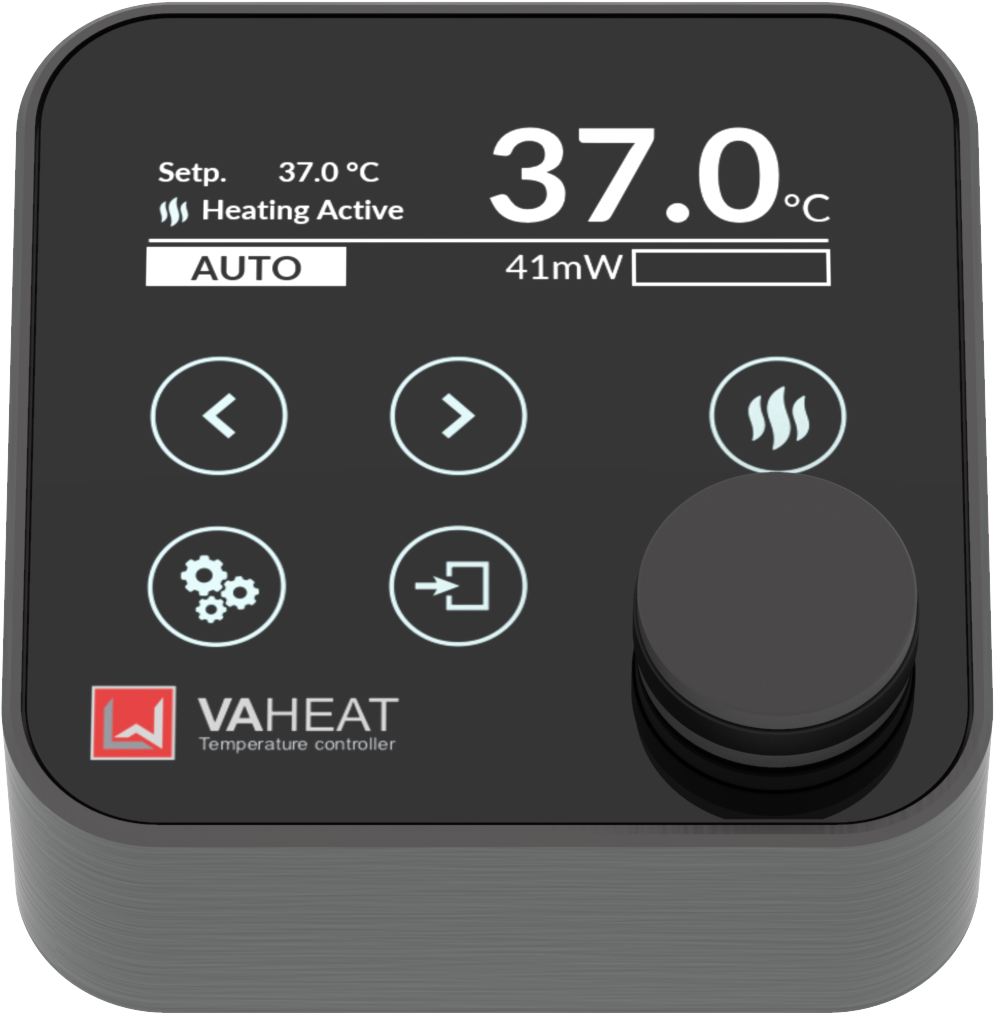
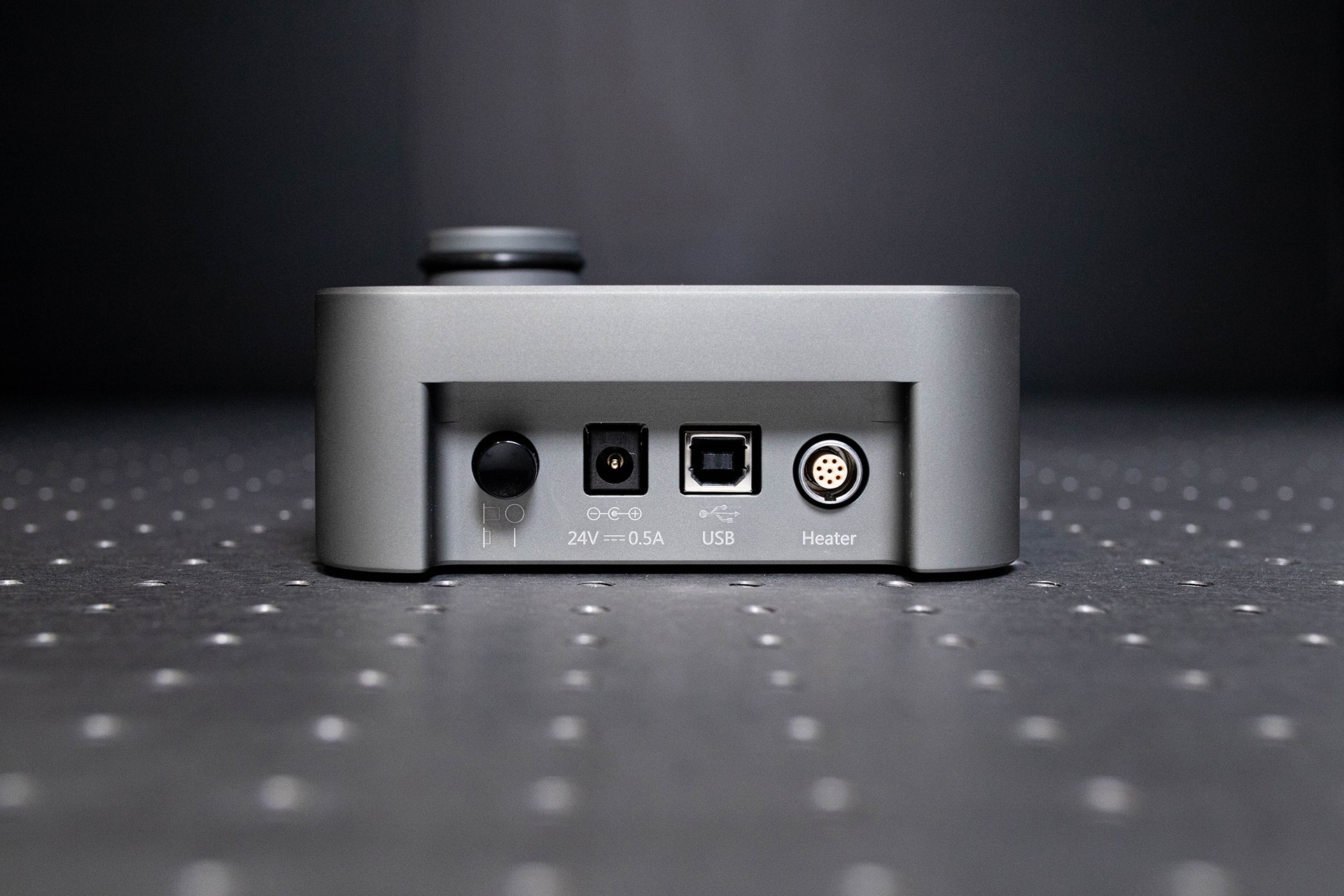
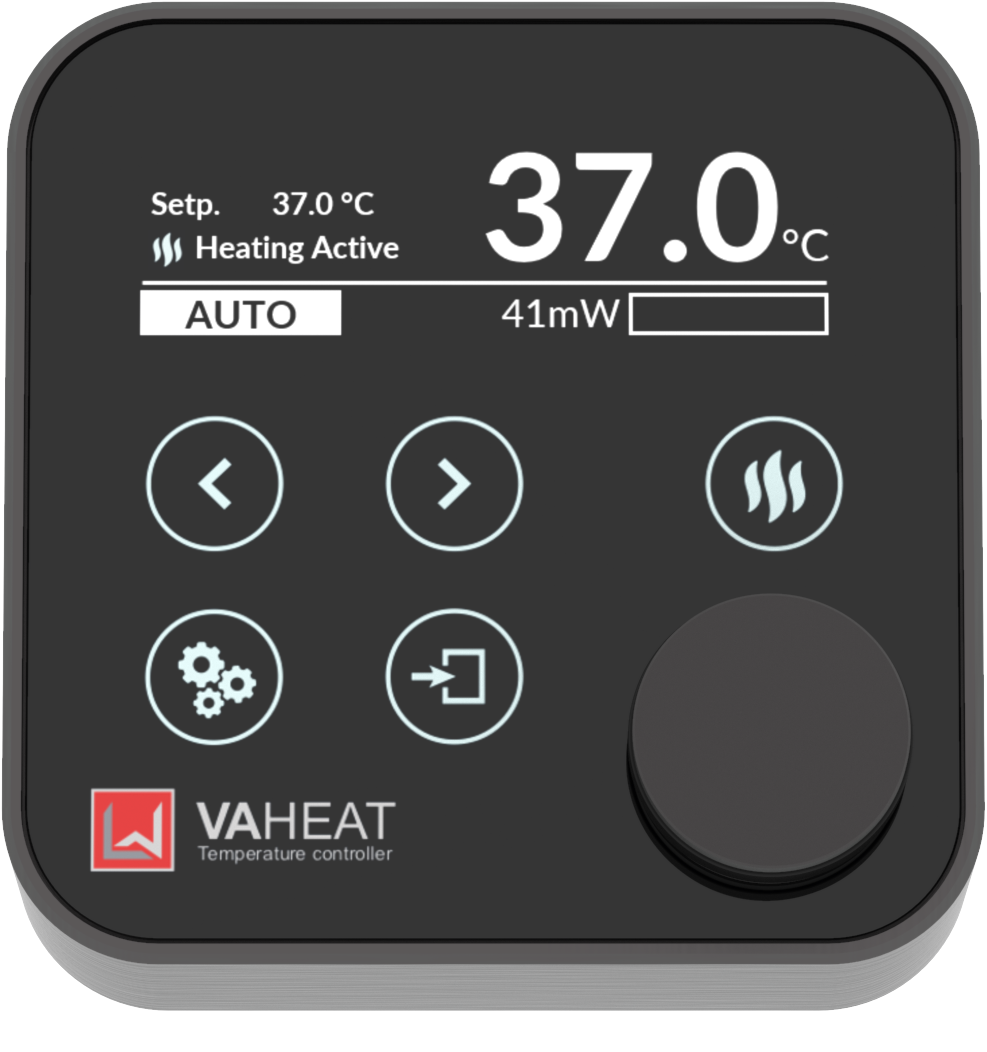
The control unit is the interface between you and your sample temperature. It displays the current temperature and allows to easily adjust the temperature by turning a single knob. An USB interface grants remote control and synchronization of the system parameters with your image acquisition. Four heating modes are available to meet your specific needs.

Extended Range

  • <5000 mW

    Heating Power

  • 200°C

    Max. Temperature

  • SmS, SmS-R & SmS-E

    Smart Substrates

  • High Resolution Studies

    Applications

Standard Range

  • <2500 mW

    Heating Power

  • 105°C

    Max. Temperature

  • SmS & SmS-R

    Smart Substrates

  • High and Super Resolution Studies

    Applications

VAHEATcan be operated in four different modes that will ideally fit your experimental needs.

The User Interface

The platform independent user interface (UI) allows to remotely control the VAHEAT device, program arbitrary temperature profiles and stream temperature data to the local hard disk. You can use it for precise and live control of sample temperature and current heating power. Simply connect the control unit via USB to the computer and start the measurement remotely.

This is what our Customers have to say

Dr. Connor Bischak

University of Utah

“The VAHEAT system was exactly what we needed for our research and allowed us to publish our first paper as a research group. The temperature precision of the VAHEAT system allowed us to watch the dynamics of phase transitions in two-dimensional perovskites, which are promising materials for thermal energy storage. By combining the VAHEAT system with our fluorescence microscope, we could easily program heating and cooling temperature ramps and capture dynamic processes that we would not be able to capture with other systems. We are excited to use the VAHEAT system on new systems to explore the dynamics of temperature-dependent phase transitions with precise temperature control.”

Prof. Hendrik Dietz

TU Munich

"VAHEAT allows precise and fast temperature control in our TIRF measurements where we are investigating switchable DNA origami mechanisms.”

Dr. Kerstin Göpfrich

MPI for Medical Research, Heidelberg

“At the beginning I was a bit skeptical about the substrates. However, they can be cleaned and reused. We have tested several heating systems that can heat above 37°C. This one was by far our favorite."

Dr. Alexandre Bisson

Brandeis University

“I had a chance to work with VAHEAT at the Woods Hole Physiology course. We combined VAHEAT with our custom microfluidic devices and imaged live archaeal cells for single-cell growth curves of many different species. We leveraged VAHEAT fine temperature controls to create gradient ramps over long periods of time time to optimize the growth of mixed populations. VAHEAT is a great tool for cell biologists that rely on challenging temperature ranges, and it can be even better with a larger heated surface area to allow multi-fluidic channels for high-throughput imaging."

Dr. Senthil Arumugam

EMBL Australia/Monash University

“One part of my laboratory works on transcription factors in the germline of C.elegans and liquid-liquid phase separation. Temperature dependence is one of the better ways to show whether protein foci are formed by a phase transition mechanism or not. I have done temperature dependent experiments in the past with a home built system and I know how difficult it is. Compared to that, the VAHEAT system is really easy to use across many microscopes and samples. We use it for C.elegans, zebrafish and single cells."

Prof. Laura Kaufman

Columbia University, New York City

"We use the VAHEAT to bring low molecular weight polymers to temperatures just above their glass transition temperature to study molecular motions and dynamic heterogeneity at the single molecule level in these systems. The fact that the VAHEAT allows us to achieve and maintain the temperature control needed on a coverslip in turn allows us to simultaneously perform imaging with the highest numerical aperture objectives available, maximizing collection of photons and limiting localization error of fluorescent probes. This ability facilitates characterization of translational mobility in these complex systems."

Dr. Liz Birchall

University of Nottingham

“The instructions and equipment were very clear and intuitive to use. We very much enjoyed the magnets that lock components into place. In use, the temperature changed very rapidly according to the VAHEAT reading, though I allowed some extra time to equilibrate as my material is not very conductive. I need to carry out further analysis, but I am seeing what I expected to see in my results. The biggest advantage was indeed that I didn’t see any thermal drift: I didn’t need to refocus during my experiments, which is fantastic because I wanted to see fluorescence emission intensity in a single controlled plane. Overall, I think very highly of the VAHEAT and it was immensely helpful to me."

Dr. Marleen van Wolferen

University of Freiburg

“Thanks to VAHEAT, we were able to perform live imaging of cell divisions in thermophilic Archaea for the first time in our lab. Another application, where we successfully used the instrument was to capture the swimming behaviour of Sulfolobus."

Serena Teora

Radboud University

“I tested VAHEAT in my experiments, where I image fluorescent thermoresponsive polymers. I found the device very useful and decided to purchase it. I combined the Smart Substrates with silicon spacers and another coverslip to form a custom small volume imaging chamber ideally suited for my samples."

Dr. Josef Gotzmann

Head of BioOptics Facility, Max Perutz labs

“I have tested VAHEAT in live cell imaging and for in vitro experiments with protein condensation. The device performance convinced me and I think that it could be another flexible option for temperature control for our users. I liked VAHEAT also as a “mere” temperature sensor. Perfect for quality control options for facility people, but also for individual users."

Tobias Martens

Cell Imaging Core at KU Leuven

“We were testing VAHEAT for two photon imaging of cellular processes in neurons. We were able to grow neuronal cultures on the Smart Substrates, although only mixed cultures and not pure primary neurons. The device itself worked well. I recorded SHG images and temperature was stable during the recordings. Personally I find this a quite handy device."

Dr. Bas van Ravensteijn

Eindhoven University of Technology (Currently: Utrecht University)

“We are running experiments on DNA-modified self-assembling colloidal particles. We operate in a very narrow temperature range of 0.5°C around the melting temperature of our DNA oligonucleotides. For this type of measurement we have found VAHEAT heating stage very useful. In our setup, we used a bare VAHEAT substrate and glued a capillary on top of it. We filled the capillary with our solution, which allowed us to use a small sample volume, maintain very stable temperature over long periods of time, not having to worry about temperature drift or evaporation. This setup gave us sufficient control over the temperature to manipulate crystallization in our colloidal system."

Dr. Tugce Oz Yoldas

MPI of Biochemistry, Martinsried

“We tested VAHEAT in live cell imaging to heat shock our yeast strains containing temperature sensitive alleles and it helped our meiosis research. I have done many temperature shift experiments with using different systems and it can be quite challenging. Personally, I find the VAHEAT system is really easy to use compared to that. It can be even better with a larger and divided surface area to allow imaging of different strains at the same time."

Dr. Linda Rubio

LSU Health, Shreveport

“Thank you for providing us with such a reliable way to control the temperature of our samples. You revolutionized the way we do heat shock!"
Show more

Technical Performance

100x, NA=1.46, oil immersion objective

40x, NA=0.4, air objective

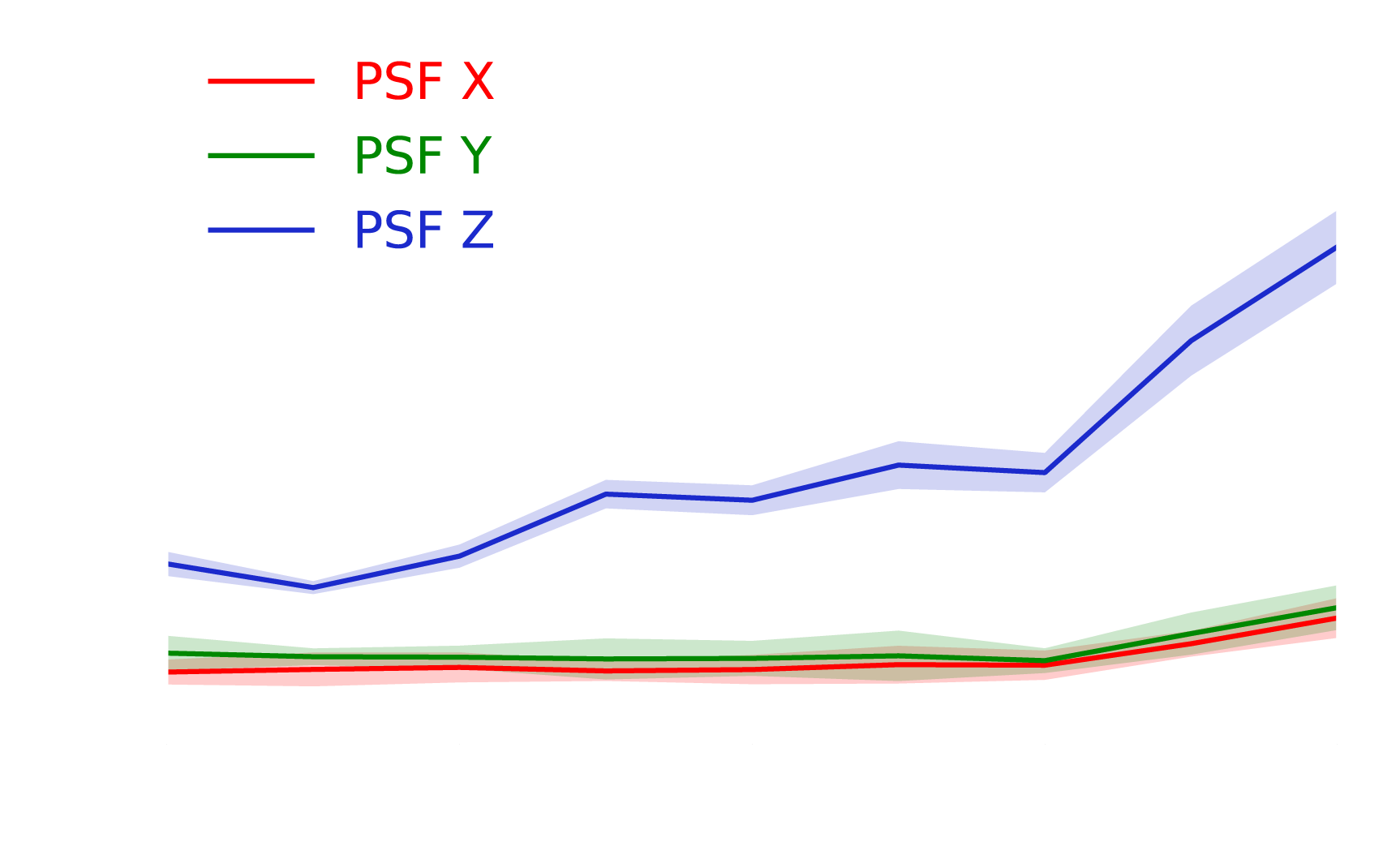
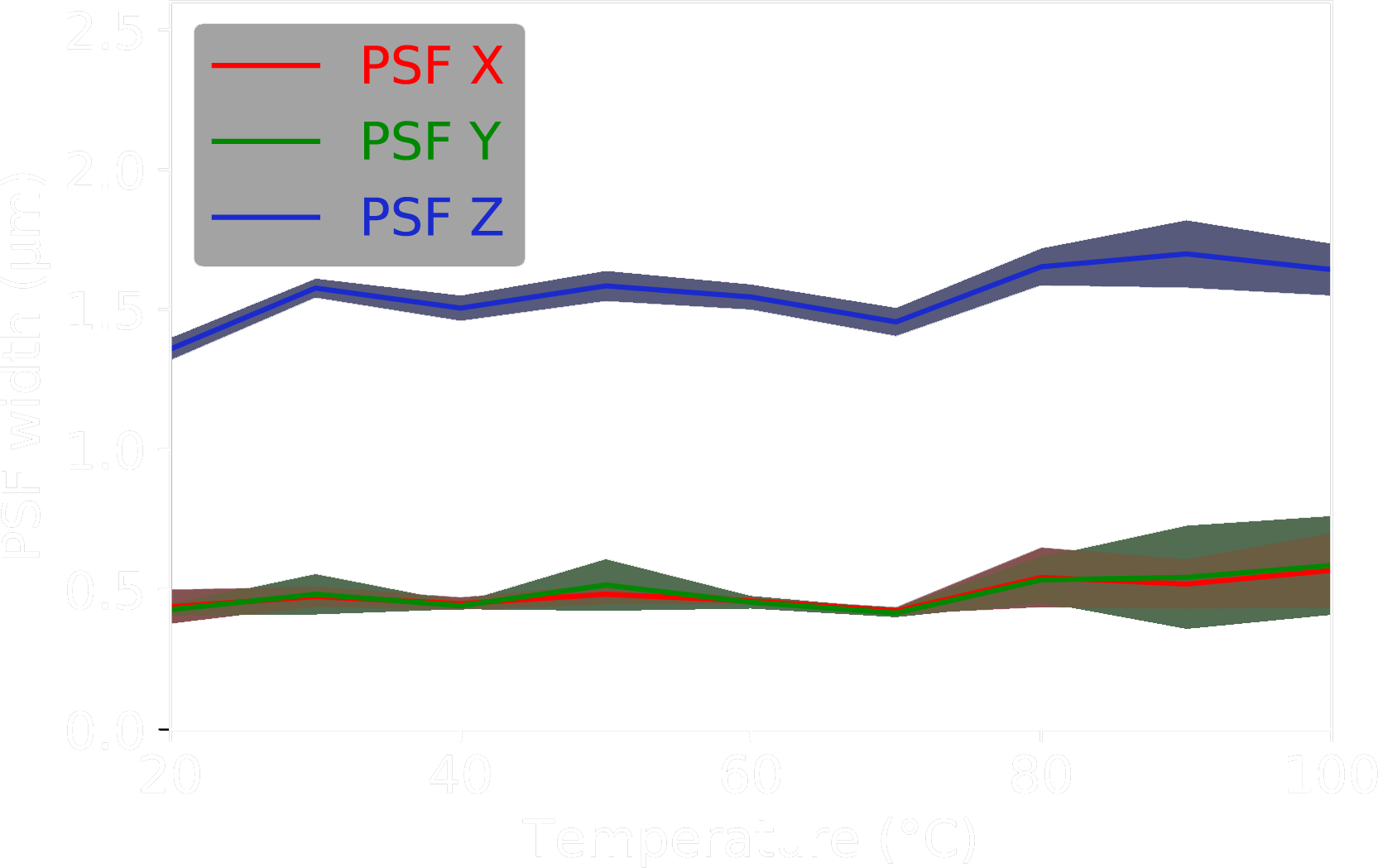
The imaging quality at elevated temperature up to 80°C is not altered using VAHEAT even when working with the highest numerical aperture objectives commercially available. To prove this, we experimentally determined the three-dimensional point spread function for various sample temperatures. The x-y resolution only increases slightly at temperature above 80°C due to increased particle diffusion. An elongation of the focus in z-direction arises with increasing temperature due to the temperature dependence of the immersion oil. This effect strongly depends on the material properties of the immersion medium and can be compensated by considering an effective change of optical path length. For air-spaced objectives the imaging quality is not affected.


Compatible Imaging Techniques

  • vector.svgTotal internal reflection microscopy (TIRM)
  • vector.svgAtomic force microscopy (AFM)
  • vector.svgConfocal microscopy
  • vector.svgSuper resolution methods (SIM, STORM, PALM, PAINT, STED)
  • vector.svgInterferometric scattering microscopy (iSCAT)
  • vector.svgTotal internal reflection microscopy (TIRM)

Application Examples

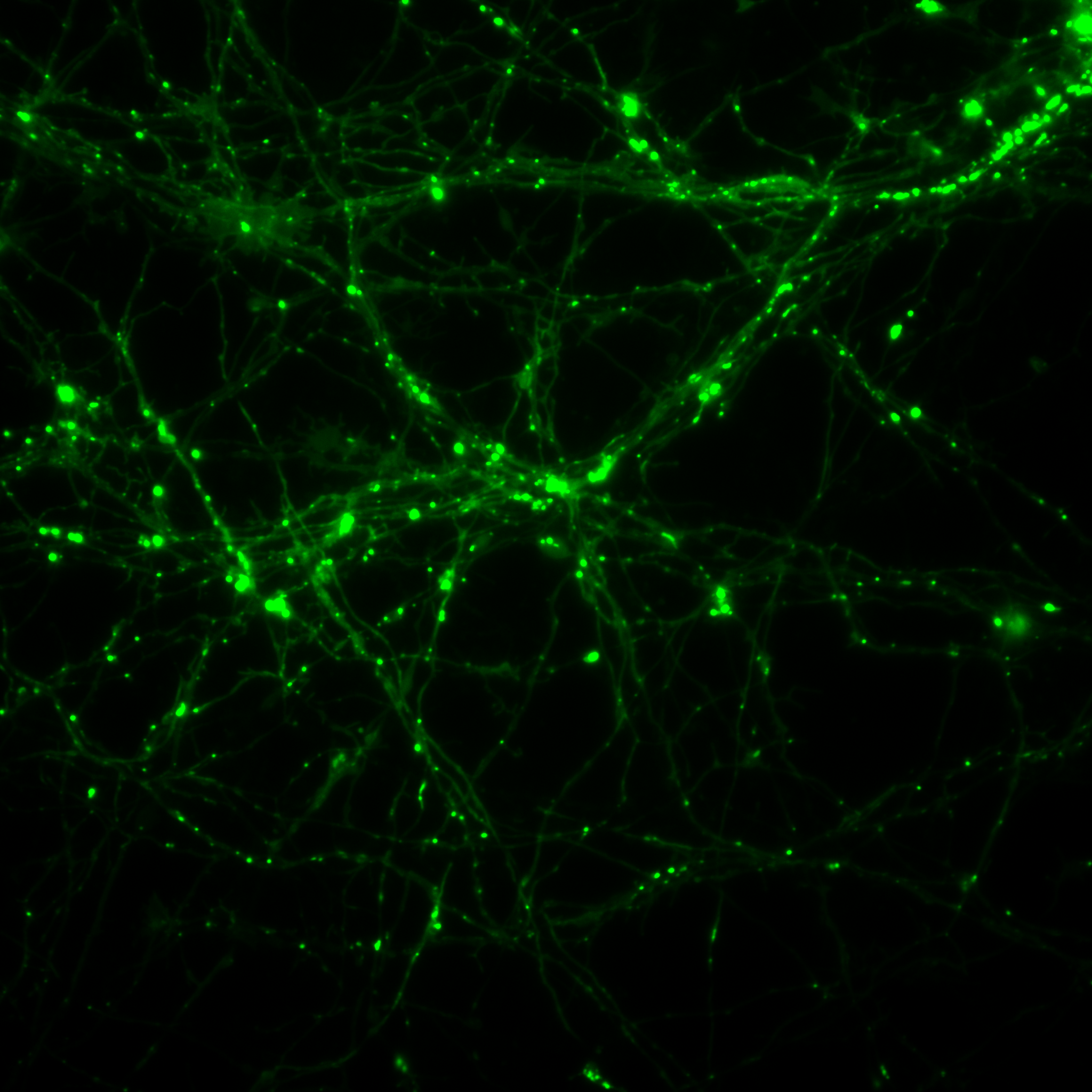
Living organisms are highly sensitive to changes in their environmental conditions, especially to temperature. VAHEAT ensures reliable and precise temperature control while transfer and during imaging. Investigating temperature sensitive processes of cellular behavior, such as Ca2+ activity in multicellular tumor spheroids or thermal stimulation of neurons has never been this easy.

Exploit VAHEAT ‘s capabilities as micro stage top incubator.

CATEGORIES:

Cell Biology | Neuroscience | Medicine | Stage Top Incubator


FAQ

Try It Out now

SCHEDULE DEMO